
Spring is around the corner, and it’s the perfect time to prepare your soil for planting. Whether you’re growing flowers, vegetables, or herbs, the health of your soil plays a crucial role in the success of your garden. But how do you prepare your soil for spring planting? In this expert guide, we’ll walk you through the essential steps to ensure your soil is rich, healthy, and ready to support vibrant plant growth.
1. Why is Soil Preparation Important for Spring Planting?
Soil preparation is key to ensuring strong plant growth in the spring. When you properly prepare your soil, you provide the nutrients and structure needed for your plants to thrive. Healthy soil enhances water retention, supports root growth, and improves drainage, all of which are essential for plants to develop strong and healthy roots. Without proper preparation, plants may struggle to grow, resulting in poor yields or even plant failure.
2. What Should You Do to Prepare Your Soil for Spring Planting?
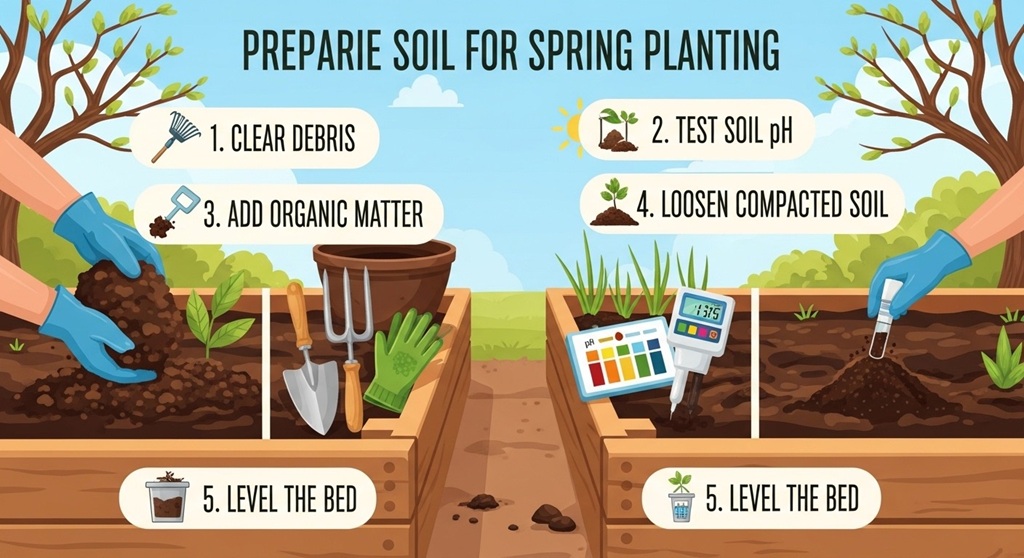
To prepare your soil for spring planting, follow these steps:
- Step 1: Clear the Soil – Remove any debris, weeds, and old plant material from the soil.
- Step 2: Test Your Soil – Conduct a soil test to determine its pH level, nutrient content, and texture.
- Step 3: Amend the Soil – Add organic matter, compost, or other soil amendments to improve fertility and structure.
- Step 4: Till the Soil – Loosen the soil to improve aeration and root penetration.
- Step 5: Mulch – Apply a layer of mulch to help retain moisture and control weeds.
Step 1: Clear the Soil
Before planting, it’s essential to clear your soil of any debris and weeds. Weeds compete with your plants for nutrients, water, and sunlight, so it’s critical to remove them before you begin planting. Remove any dead plant material, such as leaves, branches, or old mulch, as these can harbor pests and diseases that may affect your new plants.
Step 2: Test Your Soil
Testing your soil is a crucial step in soil preparation. A soil test gives you valuable insights into the current condition of your soil, including its pH level and nutrient content. If your soil is too acidic or alkaline, you can amend it with lime or sulfur to bring it to the ideal range for plant growth (usually between 6.0 and 7.0 pH). Soil testing kits are available at garden centers, or you can send a sample to a local agricultural extension office for analysis.
Step 3: Amend the Soil
Amending your soil with organic material is vital for healthy plant growth. Organic materials like compost, aged manure, or cover crops enrich the soil with nutrients and improve its texture. Compost not only adds essential nutrients but also enhances the soil’s ability to retain moisture, which is vital for plants during the spring growing season. Simply spread a 2–4-inch layer of compost over the soil and work it in with a garden fork or tiller.
Step 4: Till the Soil
Tilling the soil loosens compacted layers and promotes root growth. You can use a hand tiller for smaller garden beds or a rototiller for larger areas. Tilling helps improve soil structure by breaking up compacted soil, which allows roots to grow deeper and more efficiently. Be sure not to till too deeply, as this can damage beneficial soil organisms.
Step 5: Mulch
Applying mulch is an effective way to maintain soil health throughout the growing season. After planting, apply a 2–3-inch layer of mulch to your garden beds. Mulch helps retain moisture in the soil, preventing evaporation and reducing the need for frequent watering. It also acts as a barrier to weed growth, making it easier for your plants to thrive.
3. What are Common Soil Problems to Look for Before Planting?
Before planting, it’s important to identify and address any common soil problems. Some common soil issues that may affect your garden include:
- Soil Compaction – Compacted soil can restrict root growth and water penetration.
- Low Soil Fertility – Poor soil fertility can lead to weak plant growth and low yields.
- pH Imbalance – Soil that is too acidic or alkaline can prevent plants from absorbing essential nutrients.
- Drainage Issues – Poor drainage can lead to waterlogged soil, which harms plant roots.
How to Fix Soil Compaction
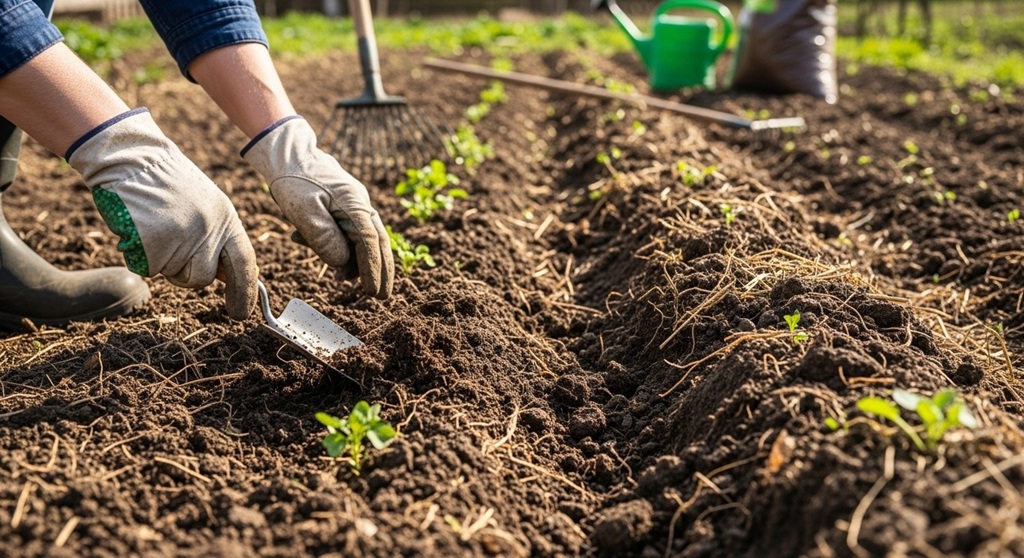
If your soil is compacted, it can be difficult for plant roots to access the nutrients and water they need. To improve soil aeration, try adding organic matter like compost or well-rotted manure. You can also use a garden fork or aerator to manually loosen the soil before planting.
How to Improve Soil Fertility
To boost soil fertility, add compost or organic fertilizers to your soil. These materials provide essential nutrients, like nitrogen, phosphorus, and potassium, that plants need to grow strong and healthy.
How to Balance Soil pH
If your soil test reveals that your soil pH is too high or too low, you can amend it to make it more suitable for plant growth. For acidic soil, add lime to raise the pH. For alkaline soil, sulfur can lower the pH. Always follow the recommended application rates based on your soil test results.
How to Fix Drainage Issues
If your soil doesn’t drain well, plants may drown from excess water. To improve drainage, incorporate organic material into the soil, and if necessary, consider installing raised garden beds or improving the soil structure with sand or perlite.
4. How Often Should You Prepare Soil for Spring Planting?
Soil preparation for spring planting should be done annually. While some basic soil amendments, like compost, can be added throughout the growing season, it’s best to prepare the soil in early spring, before planting. This ensures your soil is nutrient-rich and properly balanced for optimal plant growth.
5. Can You Prepare Soil for Spring Planting in Different Climate Zones?
Yes, soil preparation for spring planting can be adapted to different climates. While the basic principles of soil preparation remain the same, the timing and types of amendments you use may vary depending on your climate zone:
- Cold Climates – In colder climates, soil preparation may begin in late winter or early spring, depending on when the ground thaws.
- Warm Climates – In warmer regions, soil preparation can start in late winter or early spring to ensure soil moisture is retained during the hot months.
- Temperate Climates – In temperate zones, soil preparation is typically done in early spring, as the soil thaws and is workable.
Conclusion
Preparing your soil for spring planting is a crucial step to ensure healthy plant growth and bountiful harvests. By clearing debris, testing your soil, adding organic matter, and improving soil structure, you can create an optimal environment for your plants to thrive. Whether you’re in a cold, warm, or temperate climate, following these expert soil preparation tips will set you up for success this spring. Ready to get started? Grab your tools, prepare your soil, and get planting!
Want more gardening tips? Subscribe to our blog for more expert advice on growing a thriving garden!
FAQ Section
1. What is the best way to prepare soil for spring planting?
The best way to prepare soil is by clearing debris, testing the soil, amending it with compost or organic matter, tilling to loosen compacted layers, and applying mulch to retain moisture.
2. How do I know if my soil is ready for planting?
You’ll know your soil is ready when it’s loose, well-drained, and contains a good balance of nutrients. A soil test can also help confirm if it’s in the right condition.
3. Can I plant directly into my soil after preparing it?
Yes, once you’ve prepared the soil by amending it with compost and other necessary nutrients, you can plant directly into it. Just ensure it’s well-tilled and free of debris.
4. How do I fix soil drainage problems before planting?
To fix drainage issues, incorporate organic matter into the soil, or create raised beds to improve water flow. You can also mix in sand or perlite to improve aeration.
5. When is the best time to prepare soil for spring planting?
The best time to prepare your soil is early spring, just as the ground begins to thaw. This gives your plants the best chance for successful growth once planted.
6. How often should I amend my soil?
Soil should be amended annually with compost or other organic matter to ensure it remains nutrient-rich and conducive to healthy plant growth.
Read More Also: How to Increase Flowering in Plants Naturally
Find out: How to Grow Night-Blooming Flowers in a Gothic Garden