
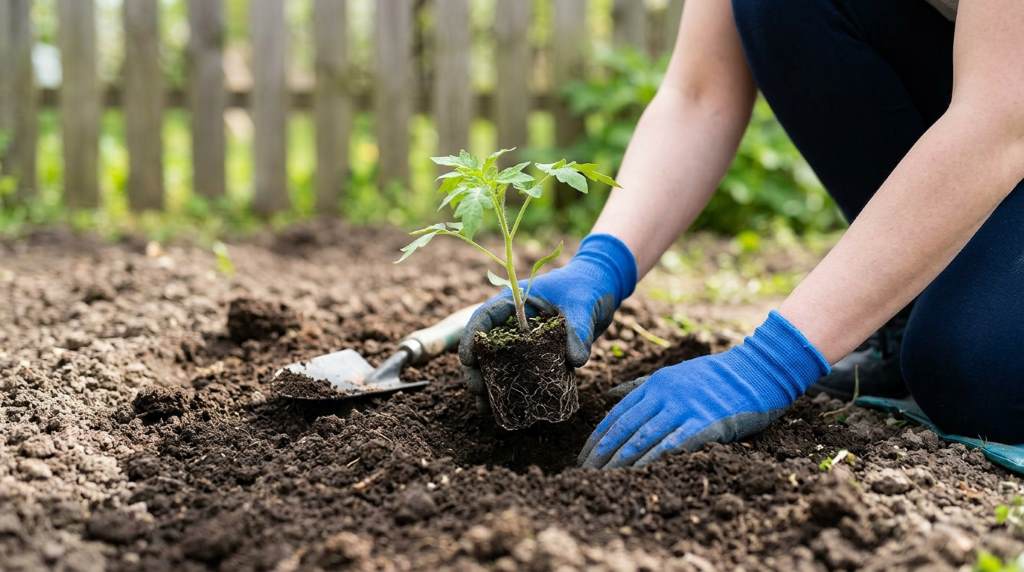
Starting a home garden in San Diego can feel exciting but also a bit overwhelming for beginners. According to recent landscaping surveys, nearly 55% of U.S. homeowners invest time in garden care, yet many struggle with consistent maintenance routines. San Diego’s mild Mediterranean climate offers a great advantage, but it still requires planning and regular upkeep. While exploring gardening basics, you might also come across tips like hyacinth flower care after blooming, which highlight how small practices improve plant health. Similarly, maintaining a healthy garden in San Diego depends on simple, consistent actions. This guide will help you build confidence and keep your garden thriving year-round.
Understanding San Diego’s Climate for Gardening
San Diego’s climate plays a major role in how your garden grows and survives throughout the year. The region experiences mild, wet winters and warm, dry summers, which creates ideal conditions for many plant varieties. However, beginners must understand that water management becomes critical due to limited rainfall. Coastal areas stay cooler, while inland regions can get significantly hotter, affecting plant choices. Therefore, selecting climate-appropriate plants ensures better growth and less maintenance effort. By aligning your gardening practices with local weather patterns, you reduce stress on your plants and yourself.
Seasonal Gardening Overview
Each season in San Diego brings different gardening tasks that beginners should follow carefully. Spring serves as the best time for planting vegetables, flowers, and shrubs because temperatures remain moderate. During summer, gardeners must focus on watering and protecting plants from heat stress. Fall allows you to prepare soil and plant cool-season crops like lettuce and spinach. Winter requires minimal maintenance, but it is perfect for pruning and soil improvement. Understanding these seasonal shifts helps you stay organized and prevents common beginner mistakes.
Planning Your Garden Layout
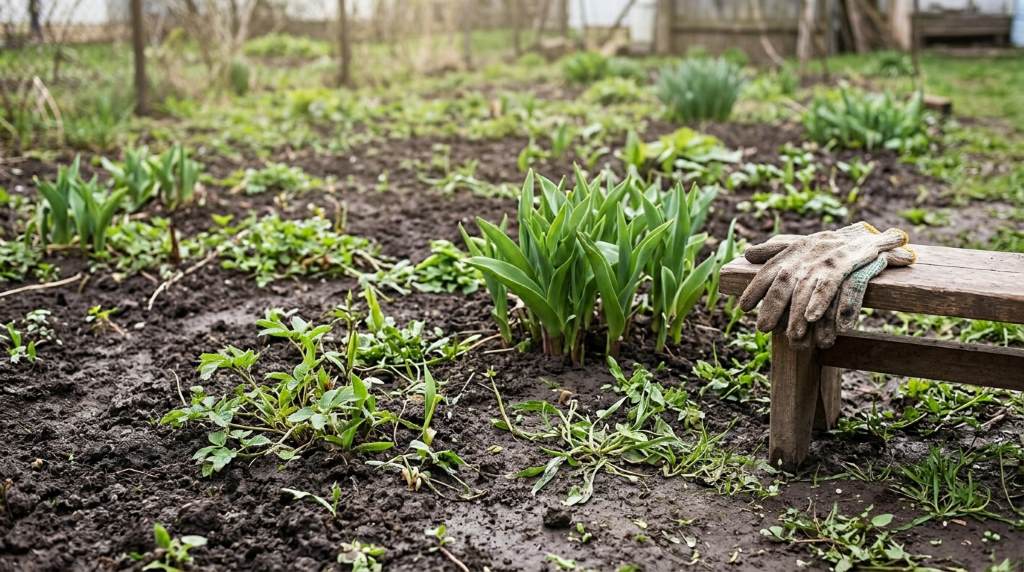
A well-planned garden layout saves time, water, and effort in the long run. Before planting anything, you should evaluate your available space, sunlight exposure, and soil condition. Most plants in San Diego need at least six hours of sunlight daily, so placement matters. Additionally, grouping plants with similar water needs improves irrigation efficiency. Raised beds or container gardening works well for beginners who want better control over soil quality. With a clear layout plan, your garden becomes easier to manage and more visually appealing.
Choosing the Right Plants
Selecting the right plants is essential for long-term success in San Diego gardens. Native and drought-tolerant plants require less water and adapt better to local conditions. Some beginner-friendly choices include succulents, lavender, rosemary, and California poppies. Vegetables like tomatoes, peppers, and zucchini also thrive in this climate with proper care. Avoid plants that demand excessive water or shade unless your garden can support those conditions. By choosing wisely, you reduce maintenance and increase your chances of success.
Soil Preparation and Improvement
Healthy soil forms the foundation of any successful garden, especially for beginners. San Diego soil often contains sand or clay, which may lack essential nutrients for plant growth. Therefore, adding organic matter like compost improves soil structure and fertility. Testing your soil helps identify pH levels and nutrient deficiencies before planting. Regularly mixing compost into the soil ensures better water retention and root development. Investing time in soil preparation leads to healthier plants and fewer problems later.
Composting Basics
Composting provides an affordable and eco-friendly way to enrich your garden soil. You can create compost using kitchen scraps, yard waste, and organic materials like leaves and grass clippings. However, maintaining the right balance between green and brown materials is important for effective decomposition. Turning the compost pile regularly speeds up the process and prevents odor. Within a few months, you will have nutrient-rich compost ready for your garden. This simple habit significantly improves soil quality without extra cost.
Watering Techniques for San Diego Gardens
Watering remains one of the most important aspects of garden maintenance in San Diego. Due to the region’s dry summers, efficient watering practices help conserve water while keeping plants healthy. Early morning watering reduces evaporation and allows plants to absorb moisture effectively. Drip irrigation systems work best because they deliver water directly to plant roots. Overwatering can harm plants just as much as underwatering, so balance is key. Learning proper watering techniques ensures your garden stays vibrant even during dry periods.
Signs of Overwatering and Underwatering
Recognizing watering issues early helps prevent plant damage and loss. Overwatered plants often show yellowing leaves, root rot, and mold growth. On the other hand, underwatered plants display dry soil, wilting, and brown leaf edges. Checking soil moisture regularly helps you adjust your watering schedule accordingly. Using mulch also helps retain soil moisture and reduces watering frequency. By observing your plants closely, you can quickly correct watering mistakes.
Essential Garden Maintenance Tasks
Consistent maintenance keeps your garden healthy and visually appealing throughout the year. Beginners should focus on simple tasks like weeding, pruning, and cleaning garden beds regularly. Weeds compete with your plants for nutrients and water, so removing them early prevents problems. Pruning helps plants grow stronger and improves air circulation around them. Additionally, removing dead leaves and debris reduces the risk of pests and diseases. A regular maintenance routine saves time and prevents bigger issues later.
Weekly Garden Checklist
Following a weekly checklist helps beginners stay organized and consistent with garden care.
- Check soil moisture levels and water accordingly
- Remove weeds and unwanted growth
- Inspect plants for pests or diseases
- Prune damaged or dead branches
- Clean up fallen leaves and debris
By sticking to this routine, your garden remains manageable and healthy over time.
Pest and Disease Control
Pests and diseases can quickly damage your garden if left untreated. San Diego gardens commonly face issues with aphids, snails, and whiteflies. Instead of using harsh chemicals, beginners should try natural pest control methods first. Introducing beneficial insects like ladybugs helps control harmful pests naturally. Neem oil and insecticidal soap also provide safe and effective solutions. Regular inspection allows you to catch problems early and prevent them from spreading.
Preventive Measures
Preventing pests and diseases is easier than dealing with them after they appear. Healthy plants resist pests better, so proper watering and fertilization play a key role. Maintaining good spacing between plants improves airflow and reduces disease risk. Cleaning tools and removing infected plant parts also helps prevent contamination. Using mulch can deter some pests while improving soil health. With preventive care, your garden stays strong and resilient.
Fertilizing Your Garden
Plants need proper nutrients to grow strong and produce flowers or vegetables. Fertilizing provides essential nutrients that may not exist naturally in your soil. Organic fertilizers like compost, fish emulsion, and manure work well for beginners. Applying fertilizer during the growing season supports healthy plant development. However, over-fertilizing can harm plants, so following recommended amounts is important. A balanced fertilizing routine keeps your garden productive and vibrant.
Organic vs Synthetic Fertilizers
Understanding the difference between organic and synthetic fertilizers helps you make better choices. Organic fertilizers release nutrients slowly and improve soil health over time. Synthetic fertilizers provide quick results but may harm soil quality if overused. Beginners often benefit from using organic options because they are safer and easier to manage. Additionally, organic methods support long-term sustainability. Choosing the right fertilizer depends on your gardening goals and preferences.
Lawn Care Tips for Beginners
Maintaining a lawn in San Diego requires a slightly different approach compared to other regions. Warm-season grasses like Bermuda and St. Augustine perform best in this climate. Regular mowing keeps grass healthy and encourages even growth. Watering deeply but less frequently promotes stronger root systems. Aerating the lawn improves soil structure and allows better nutrient absorption. With proper care, your lawn becomes a lush and inviting part of your garden.
Common Lawn Problems
Beginners often face issues like brown patches, weeds, and uneven growth in their lawns. These problems usually result from improper watering or poor soil conditions. Identifying the cause helps you apply the right solution quickly. Adjusting your watering schedule and fertilization routine often solves many lawn issues. Removing weeds early prevents them from spreading further. Consistent care ensures your lawn remains green and healthy.
Container Gardening for Small Spaces
Container gardening offers a great solution for beginners with limited space. You can grow herbs, vegetables, and flowers in pots placed on patios or balconies. Choosing the right container size ensures proper root growth and prevents overcrowding. Using high-quality potting mix improves drainage and nutrient availability. Regular watering becomes more important since containers dry out faster than garden beds. This method allows flexibility and makes gardening accessible for everyone.
Best Plants for Containers
Certain plants perform better in containers than others, especially in San Diego’s climate. Herbs like basil, mint, and thyme grow easily in pots. Vegetables such as cherry tomatoes and peppers also thrive in containers. Succulents and ornamental flowers add visual appeal with minimal maintenance. Selecting suitable plants ensures better results and less effort. Container gardening provides a simple way to start your gardening journey.
Sustainable Gardening Practices
Sustainability plays an important role in modern gardening, especially in water-sensitive regions like San Diego. Using drought-tolerant plants reduces water consumption significantly. Rainwater harvesting provides an eco-friendly watering solution during dry seasons. Composting reduces waste while improving soil quality naturally. Avoiding chemical pesticides protects beneficial insects and maintains ecological balance. By adopting sustainable practices, you contribute to a healthier environment while maintaining your garden.
Water Conservation Tips
Saving water remains a top priority for San Diego gardeners due to periodic drought conditions.
- Use drip irrigation systems instead of sprinklers
- Apply mulch to retain soil moisture
- Water plants early in the morning
- Choose drought-resistant plants
- Fix leaks in irrigation systems promptly
These small steps make a big difference in conserving water and maintaining a healthy garden.
Tools Every Beginner Needs
Having the right tools makes garden maintenance easier and more efficient. Basic tools include a hand trowel, pruning shears, watering can, and garden gloves. Investing in quality tools ensures durability and better performance. Keeping tools clean and stored properly extends their lifespan. Beginners should start with essential tools and expand as needed. With the right equipment, gardening becomes more enjoyable and less tiring.
Common Mistakes to Avoid
Many beginners make simple mistakes that can affect their garden’s success. Overwatering remains one of the most common issues in San Diego gardens. Planting without understanding sunlight requirements also leads to poor growth. Ignoring soil quality can result in weak and unhealthy plants. Additionally, neglecting regular maintenance allows problems to grow quickly. Learning from these mistakes helps you improve and build confidence as a gardener.
Related:
Urban Gardening in Atlanta, GA: Choosing Low-Maintenance Plants
Best Custom Vegetable Garden Beds in Atlanta, GA | Neat & Durable Designs
Conclusion
Starting and maintaining a garden in San Diego may seem challenging at first, but it becomes easier with the right approach. By understanding the local climate, choosing suitable plants, and following consistent maintenance routines, you can create a thriving outdoor space. Simple habits like proper watering, regular pruning, and soil improvement make a significant difference over time. Gardening also offers relaxation and a sense of accomplishment as you watch your plants grow. Take the first step today and begin building your garden with confidence and care.
FAQs
What is the best time to start a garden in San Diego?
Spring is the best time because the weather supports healthy plant growth and establishment.
How often should I water my garden in San Diego?
Water 2–3 times per week, depending on plant type and weather conditions.
Which plants grow easily in San Diego?
Succulents, herbs, tomatoes, and native plants grow well with minimal effort.
Do I need fertilizer for my garden?
Yes, using organic fertilizer improves soil nutrients and supports plant growth.
How can I prevent pests naturally?
Use neem oil, introduce beneficial insects, and keep your garden clean and healthy.