
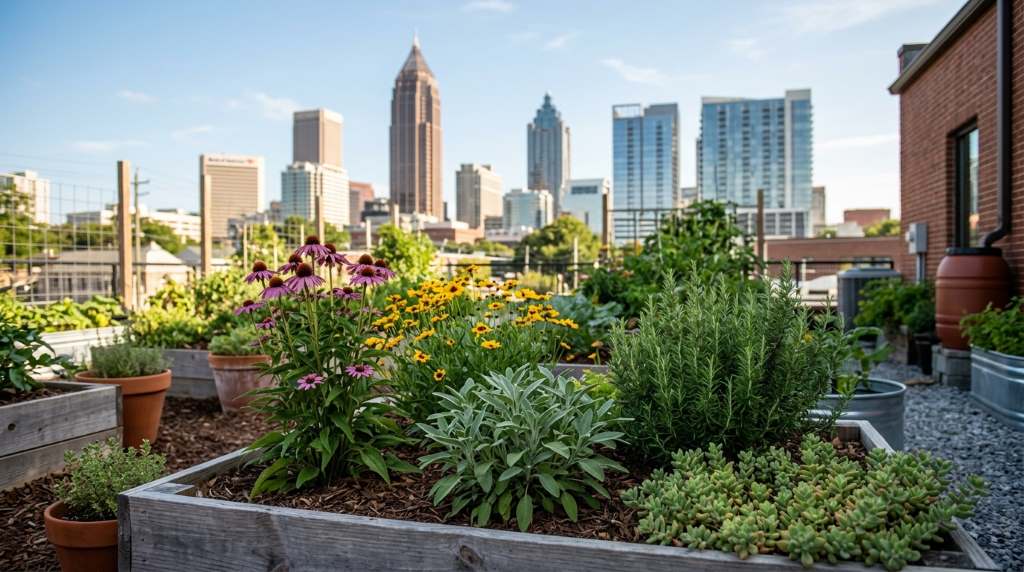
Urban gardening in Atlanta is growing fast as more residents turn small spaces into green retreats. Studies show that over 35% of urban households in the U.S. now grow some of their own plants or food, and Atlanta follows that trend closely. The city’s warm climate and long growing season make it ideal for beginners and experienced gardeners alike. However, choosing plants that thrive with minimal effort is key to success in busy urban lifestyles. Even topics like mimosa pudica sunlight requirements show how plant-specific care matters, though the main goal here is simplicity. This guide will help you build a low-maintenance urban garden that fits Atlanta’s unique environment.
Understanding Atlanta’s Urban Gardening Climate
Atlanta has a humid subtropical climate, which creates both opportunities and challenges for gardeners. Summers are hot and humid, while winters stay mild with occasional frost. Because of this, plants must tolerate heat, moisture, and seasonal shifts without constant attention. Urban spaces also face heat island effects, where buildings and concrete increase temperatures. Therefore, choosing hardy plants becomes essential for long-term success. Additionally, rainfall patterns can be uneven, so drought-tolerant options often perform best.
Another factor to consider is soil quality, which varies greatly across urban areas. Many city gardens rely on container planting due to limited ground space. Containers allow better control over soil conditions, drainage, and nutrients. However, they also dry out faster, which affects plant choices. Selecting plants that adapt well to containers reduces daily maintenance. As a result, your garden becomes easier to manage throughout the year.
Benefits of Low-Maintenance Plants in Urban Spaces
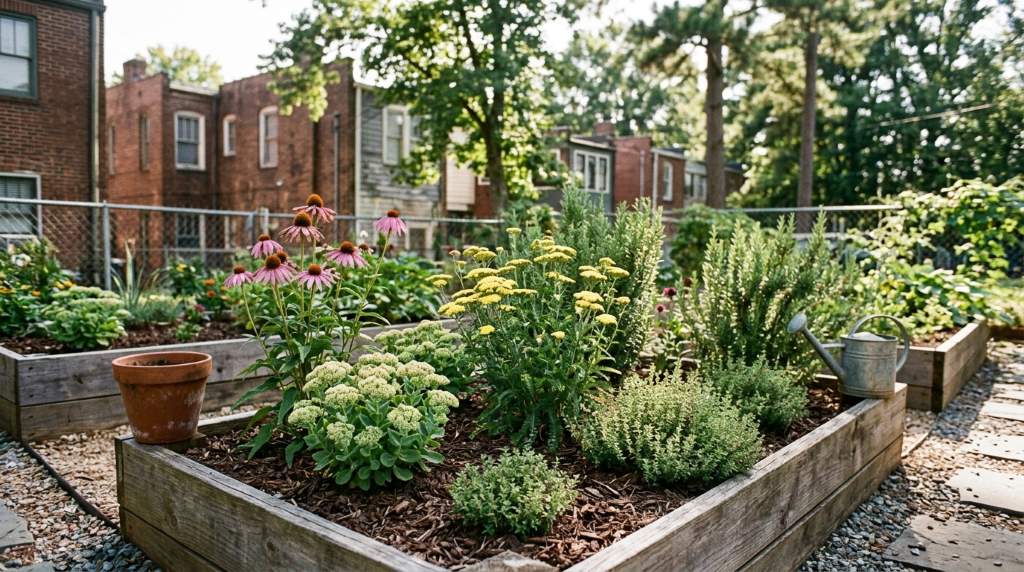
Low-maintenance plants reduce the time and effort needed for watering, pruning, and pest control. This is especially helpful for people balancing work, family, and other responsibilities. These plants also tend to be more resilient to environmental stress. As a result, they survive better in unpredictable urban conditions. Choosing the right plants can save money on replacements and garden supplies. Over time, this creates a more sustainable gardening routine.
Another benefit is improved consistency in plant health and growth. When plants require less care, there is less room for mistakes. This makes urban gardening more enjoyable and less stressful. Beginners often feel more confident when plants thrive with minimal input. Furthermore, low-maintenance gardens still provide beauty, shade, and even food. They offer all the benefits of gardening without overwhelming upkeep.
Key Traits of Low-Maintenance Plants
Drought Tolerance
Plants that need less water are ideal for Atlanta’s hot summers. They survive longer periods without rainfall or frequent watering. This reduces the need for daily care and irrigation systems. Many native plants naturally have this trait. Therefore, they adapt well to local conditions. This makes them a reliable choice for urban gardens.
Pest Resistance
Low-maintenance plants often resist common pests and diseases. This reduces the need for chemical treatments or constant monitoring. In urban environments, pests can spread quickly between plants. Choosing resistant varieties helps prevent widespread issues. It also protects nearby plants in shared spaces. As a result, your garden stays healthier with less effort.
Slow Growth Rate
Plants that grow slowly require less pruning and trimming. This helps maintain a neat appearance without frequent work. Fast-growing plants can quickly become unmanageable in small spaces. Therefore, slower growth supports better control. It also reduces waste from constant cutting. Over time, this keeps your garden looking clean and organized.
Adaptability to Containers
Urban gardens often rely on pots, raised beds, or small plots. Plants that adapt well to containers are easier to manage in these setups. They require less space while still thriving. Additionally, container-friendly plants allow easy relocation when needed. This flexibility is valuable in changing urban environments. It also helps optimize sunlight exposure throughout the year.
Best Low-Maintenance Plants for Atlanta
Native Plants
Native plants are naturally suited to Atlanta’s climate and soil conditions. They require less water, fertilizer, and pest control compared to non-native species. Examples include black-eyed Susan, purple coneflower, and Georgia aster. These plants attract pollinators like bees and butterflies. This supports local ecosystems while enhancing your garden. Choosing native options ensures long-term success with minimal effort.
Native grasses are also a strong choice for urban gardens. They add texture and movement without demanding much care. Many varieties tolerate drought and poor soil conditions. This makes them ideal for challenging urban spaces. Additionally, they require little to no mowing or trimming. Over time, they create a natural and low-maintenance landscape.
Succulents and Cacti
Succulents store water in their leaves, making them highly drought-resistant. They thrive in sunny spots and require minimal watering. Popular choices include aloe, jade plant, and echeveria. These plants are perfect for balconies, patios, and windowsills. They also come in a wide range of shapes and colors. This adds visual interest without increasing maintenance.
Cacti are another excellent option for low-effort gardening. They need very little water and tolerate heat well. However, they require well-draining soil to prevent root rot. Placing them in containers makes care even easier. Additionally, they rarely need pruning or pest control. This makes them ideal for beginners.
Herbs
Herbs are practical and easy to grow in urban environments. Many herbs thrive in Atlanta’s climate with minimal care. Examples include rosemary, thyme, and oregano. These herbs require little watering once established. They also resist pests naturally due to their strong scents. This makes them both functional and low-maintenance.
Growing herbs in containers allows easy access for cooking. It also helps control soil conditions and drainage. Most herbs prefer full sunlight, which is abundant in Atlanta. Regular harvesting encourages healthy growth. However, they still require less attention than many other plants. This makes them a great addition to any urban garden.
Perennials
Perennials return year after year without replanting. This reduces the effort needed each growing season. Many perennials thrive in Atlanta’s climate with minimal care. Examples include daylilies, hostas, and coreopsis. These plants provide consistent color and structure. They also adapt well to various soil conditions.
Perennials often require less watering once established. Their deep root systems help them survive dry periods. This makes them more resilient than annual plants. Additionally, they require less frequent fertilization. Over time, they create a stable and low-maintenance garden design. This simplifies long-term care.
Designing a Low-Maintenance Urban Garden
Smart Layout Planning
A well-planned layout reduces maintenance needs significantly. Group plants with similar water and sunlight requirements together. This makes watering and care more efficient. It also prevents overwatering or underwatering certain plants. Additionally, placing taller plants strategically provides natural shade. This helps protect more delicate species.
Using vertical gardening techniques maximizes limited space. Wall planters, trellises, and hanging pots increase planting areas. This is especially useful in small urban environments. Vertical setups also improve air circulation around plants. As a result, they reduce the risk of disease. This supports a healthier garden overall.
Soil and Mulching
Healthy soil is the foundation of a low-maintenance garden. Adding compost improves nutrient levels and water retention. This reduces the need for frequent fertilizing. Mulching helps retain moisture and suppress weeds. It also regulates soil temperature during hot summers. As a result, plants require less frequent watering.
Organic mulch options include bark, straw, and leaves. These materials break down over time and enrich the soil. This creates a sustainable cycle of nutrients. Additionally, mulch reduces erosion in heavy rain. It also keeps roots protected from extreme heat. This supports long-term plant health.
Efficient Watering Systems
Drip irrigation systems deliver water directly to plant roots. This reduces water waste and ensures consistent moisture levels. It also minimizes the need for daily watering. Installing a timer further simplifies the process. This allows automatic watering based on schedule. As a result, plants stay hydrated without constant attention.
Rainwater collection is another effective strategy. Using barrels to collect rain reduces reliance on tap water. It also provides a natural source of hydration for plants. This method is both eco-friendly and cost-effective. Additionally, it helps manage stormwater runoff. Over time, it supports sustainable gardening practices.
Related posts:
Battling Weeds: Organic and Sustainable Control Methods
The Verdant Veil: Transform Your Shady Spaces with Climbing Vines
Seasonal Care Tips for Atlanta Gardens
Spring Preparation
Spring is the ideal time to prepare your urban garden. Begin by clearing debris and refreshing soil with compost. This sets a strong foundation for plant growth. Planting early allows roots to establish before summer heat. Additionally, this reduces stress on new plants. As a result, they require less maintenance later.
Check irrigation systems and repair any issues. Ensuring proper watering early prevents future problems. It also supports consistent plant development. Introducing mulch at this stage helps retain moisture. This reduces watering needs as temperatures rise. Overall, spring preparation simplifies the rest of the growing season.
Summer Maintenance
Summer in Atlanta can be intense, with high heat and humidity. Focus on maintaining proper hydration for your plants. Water deeply but less frequently to encourage strong roots. Avoid watering during midday to reduce evaporation. Early morning or evening works best. This ensures efficient water use.
Monitor plants for signs of stress or pests. Although low-maintenance plants resist many issues, occasional checks help. Remove dead leaves or damaged parts to maintain health. Mulch should remain in place to protect roots. This reduces heat stress and moisture loss. As a result, plants stay healthy with minimal effort.
Fall Transition
Fall is a great time to plant perennials and prepare for cooler weather. The mild climate allows roots to establish before winter. This reduces the need for extra care later. Adding compost in fall improves soil for the next season. It also supports long-term plant health. This step requires minimal effort but provides lasting benefits.
Prune plants lightly to remove dead or overgrown sections. This keeps your garden tidy and manageable. Avoid heavy pruning, as plants prepare for dormancy. Additionally, reduce watering as temperatures drop. This prevents overwatering issues. Overall, fall maintenance is simple but effective.
Winter Care
Atlanta winters are relatively mild, but occasional frost can occur. Protect sensitive plants with covers or by moving containers indoors. This prevents damage from sudden temperature drops. Water plants less frequently during this period. Most plants require minimal hydration in cooler weather. This reduces overall maintenance.
Use this time to plan improvements for the next season. Evaluate which plants performed well and which did not. This helps refine your garden strategy. Additionally, clean and store gardening tools properly. This ensures they remain in good condition. Winter becomes a low-effort planning phase for future success.
Common Mistakes to Avoid
Overwatering is one of the most common issues in urban gardening. Many plants suffer more from excess water than from drought. Therefore, it is important to understand each plant’s needs. Using well-draining soil helps prevent root rot. Additionally, proper spacing improves air circulation. This reduces moisture buildup around plants.
Choosing high-maintenance plants can lead to frustration. These plants often require constant care and attention. In urban settings, this becomes difficult to manage. Instead, focus on hardy and adaptable varieties. This ensures long-term success with less effort. It also makes gardening more enjoyable.
Ignoring sunlight requirements can also cause problems. Some plants need full sun, while others prefer shade. Placing them incorrectly affects growth and health. Observing sunlight patterns in your space is essential. This helps match plants to the right locations. As a result, they thrive with minimal intervention.
Conclusion
Urban gardening in Atlanta can be simple, rewarding, and sustainable when you choose the right plants. Low-maintenance options reduce effort while still delivering beauty and function. By focusing on native species, drought-tolerant plants, and smart design, you create a garden that works with the environment instead of against it. Consistent planning and seasonal care further simplify the process. Even small urban spaces can become thriving green areas with the right approach. Start building your low-maintenance garden today and enjoy a stress-free connection with nature.
FAQs
What are the easiest plants to grow in Atlanta?
Native plants, succulents, and herbs are among the easiest options due to their adaptability and low care needs.
How often should I water urban garden plants?
Most low-maintenance plants need watering 1–2 times per week, depending on weather and soil conditions.
Can I grow vegetables in a low-maintenance urban garden?
Yes, crops like tomatoes, peppers, and leafy greens can be grown with proper planning and minimal care.
Do I need special soil for container gardening?
Using high-quality potting mix improves drainage and nutrient retention, making maintenance easier.
What is the best time to start gardening in Atlanta?
Early spring is ideal, as it allows plants to establish before the summer heat.