
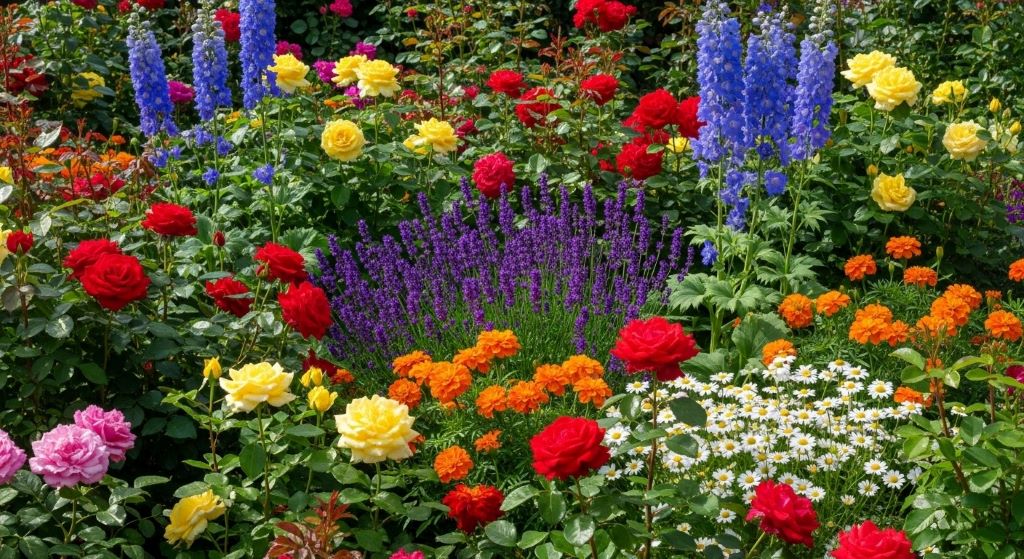
Every gardener dreams of a vibrant garden filled with abundant blooms. However, getting plants to produce more flowers can sometimes feel challenging. The good news is that you can encourage healthier and more prolific flowering using natural methods. This guide will show you practical ways to boost flower production without relying on synthetic chemicals.
Understanding What Plants Need to Flower
Before diving into specific techniques, it’s important to understand the basics. Plants need certain conditions to shift from vegetative growth to flowering. These include adequate light, proper nutrition, and appropriate temperatures. Additionally, many plants require specific day-length conditions to trigger blooming.
When plants receive the right signals, they naturally redirect their energy toward producing flowers. Therefore, your role as a gardener is to create an environment that supports this process. By working with nature rather than against it, you’ll see better results.
Provide Adequate Sunlight
Light is perhaps the most critical factor for flowering. Most flowering plants need at least six hours of direct sunlight daily. Without sufficient light, plants may grow leaves but produce few or no flowers.
First, observe your garden throughout the day. Notice which areas receive full sun and which remain shaded. Then, place sun-loving flowering plants in the brightest spots. Meanwhile, shade-tolerant varieties can thrive in areas with filtered light.
If you’re growing plants indoors, position them near south-facing windows. Alternatively, consider using grow lights to supplement natural sunlight during darker months. This simple adjustment can make a significant difference in flower production.
Use Phosphorus-Rich Organic Fertilizers
Nutrition plays a vital role in flower development. While nitrogen promotes leafy growth, phosphorus is essential for blooming. Therefore, choosing the right fertilizer matters tremendously.
Bone meal is an excellent natural source of phosphorus. Simply work it into the soil around your plants according to package directions. Similarly, rock phosphate provides a slow-release form of this crucial nutrient. Compost tea also delivers balanced nutrition while improving soil health.
According to research from the Royal Horticultural Society, proper fertilization timing is equally important. Apply phosphorus-rich fertilizers just before the flowering season begins. This ensures nutrients are available when plants need them most.
Avoid over-fertilizing, however, as this can lead to excessive foliage at the expense of flowers. A balanced approach yields the best results.
Improve Soil Quality with Organic Matter
Healthy soil creates healthy plants. When soil is rich in organic matter, it retains moisture better and provides steady nutrition. Consequently, plants grown in quality soil produce more abundant blooms.
Add compost to your garden beds regularly. Work it into the top few inches of soil, being careful not to disturb plant roots. Aged manure serves as another excellent soil amendment. Both materials improve soil structure while feeding beneficial microorganisms.
Earthworm castings also enhance soil fertility naturally. These castings contain nutrients in forms that plants can easily absorb. Moreover, they help create a thriving soil ecosystem that supports robust flowering.
Water Correctly and Consistently
Watering might seem straightforward, but technique matters. Inconsistent watering can stress plants and reduce flowering. Therefore, establishing a regular watering schedule is essential.
Most flowering plants prefer deep, infrequent watering rather than shallow, frequent applications. This encourages roots to grow deeper, creating stronger plants. Water early in the morning when possible, as this reduces disease risk and ensures moisture reaches roots effectively.
However, avoid overwatering, which can lead to root rot and other problems. Check soil moisture before watering by inserting your finger about two inches deep. If the soil feels dry at that depth, it’s time to water.
Mulching around plants helps maintain consistent soil moisture. Additionally, organic mulches break down over time, adding nutrients to the soil.

Practice Deadheading and Pruning
Removing spent flowers, called deadheading, encourages plants to produce more blooms. When you remove faded flowers, the plant redirects energy from seed production back into creating new flowers.
Simply pinch off or cut away wilted blooms regularly. For plants with multiple flowers on one stem, cut the entire stem back to the next set of leaves. This practice keeps your garden looking tidy while promoting continuous flowering.
Pruning also shapes plants and removes dead or diseased growth. Strategic pruning improves air circulation, which reduces disease problems. Furthermore, it stimulates new growth that often produces additional flowers.
Optimize Growing Conditions for Specific Plants
Different plants have different requirements. Understanding what each species needs will help you create ideal conditions. For instance, some plants flower better after experiencing cool temperatures, while others need warmth.
Research your specific plants to learn their preferences. Some may need vernalization, a period of cold exposure, to bloom properly. Others might require specific day-length conditions, making them day-neutral, long-day, or short-day plants.
The University of Minnesota Extension offers detailed guides on growing requirements for various flowering plants. Consulting such resources helps you provide exactly what your plants need.
Use Companion Planting Strategically
Companion planting involves growing different plants together for mutual benefit. Some plants attract pollinators, which helps nearby plants produce more flowers and fruit. Others repel pests that might otherwise damage flowering plants.
For example, planting marigolds near roses can deter aphids naturally. Similarly, herbs like lavender and oregano attract beneficial insects while adding beauty to the garden. These pollinators then visit neighboring flowering plants, improving overall garden productivity.
Additionally, nitrogen-fixing plants like clover or beans can improve soil fertility for nearby flowers. This natural approach reduces the need for external fertilizers while creating a more balanced ecosystem.
Maintain Proper Spacing and Air Circulation
Crowded plants compete for resources and are more susceptible to diseases. Therefore, proper spacing is crucial for healthy flowering. When transplanting or sowing seeds, follow recommended spacing guidelines for each plant variety.
Good air circulation prevents fungal diseases that can damage buds and flowers. It also helps plants dry quickly after rain or watering, reducing disease pressure. Consequently, well-spaced plants tend to produce more abundant and healthier blooms.
If plants become overcrowded, thin them or divide clumps. This might seem counterintuitive, but fewer plants with adequate space will produce more flowers than many cramped plants.
Protect Plants from Pests Naturally
Pests can significantly reduce flowering by damaging buds and foliage. However, you can control them using natural methods rather than harsh chemicals. Handpicking larger pests like caterpillars works well for small gardens.
Neem oil serves as an effective organic pest deterrent. It disrupts the life cycle of many common garden pests without harming beneficial insects when used correctly. Insecticidal soaps also control soft-bodied pests like aphids safely.
Encouraging natural predators creates long-term pest control. Ladybugs, lacewings, and predatory wasps consume pest insects. Plant diverse flowering plants to attract and support these beneficial creatures.
Conclusion
Increasing flowering in plants naturally requires understanding and working with plant biology. By providing adequate sunlight, proper nutrition, and consistent care, you create conditions where plants thrive. Using organic fertilizers rich in phosphorus, improving soil quality, and maintaining proper watering all contribute to abundant blooms.
Furthermore, practices like deadheading, companion planting, and natural pest control support continuous flowering throughout the season. Remember that each plant species has unique requirements, so tailoring your approach yields the best results. With patience and attention to these natural methods, your garden will reward you with beautiful, abundant flowers.
Frequently Asked Questions
What is the best natural fertilizer for flowering plants?
Bone meal is one of the best natural fertilizers for flowering because it’s rich in phosphorus, the nutrient most essential for bloom production. Compost and aged manure also provide balanced nutrition that supports healthy flowering.
How often should I deadhead my flowering plants?
Deadhead your plants every few days or at least weekly during peak blooming season. Regular deadheading prevents seed formation and encourages the plant to produce more flowers continuously throughout the growing season.
Can too much water prevent plants from flowering?
Yes, overwatering can prevent flowering by causing root rot and creating stress conditions. Most flowering plants prefer consistent moisture but need well-draining soil. Water deeply but allow soil to dry slightly between waterings.
Why do my plants have lots of leaves but no flowers?
Excessive nitrogen fertilizer often causes abundant foliage growth at the expense of flowers. Additionally, insufficient sunlight, improper day-length conditions, or lack of phosphorus can prevent flowering. Adjust fertilization and ensure adequate light exposure.
How long does it take to see results from natural flowering methods?
Results vary by method and plant species. Improved watering and fertilization may show effects within weeks, while soil amendments work more gradually over months. Consistent application of these natural methods yields the best long-term results.
Related Topics:
From Scraps to Harvest: How to Grow Plants from Kitchen Scraps
The Connection Between Fruit Trees and Mental Well-Being