

Gardens are a sanctuary of peace and beauty, but maintaining them requires effort. One often overlooked aspect is the garden fence. Over time, fences accumulate dirt, moss, algae, and stains, diminishing their appearance. However, cleaning them doesn’t have to involve harsh chemicals. In this blog post, we’ll explore natural, eco-friendly ways to clean garden fences, ensuring they remain sturdy and attractive without harming the environment.
Why Choose Natural Methods to Clean Garden Fences?
Using natural cleaning methods is not only safer for the environment but also for your plants, pets, and family. Chemical cleaners can seep into the soil, harming beneficial microorganisms and plants. According to a study by the Environmental Protection Agency (EPA), over 60% of waterway pollution is linked to household chemicals, including cleaning products.
Natural methods are cost-effective, easy to implement, and often use items you already have at home. Plus, they’re gentle on your fence’s material, whether it’s wood, vinyl, or metal.
1. Vinegar and Water Solution: A Powerful Natural Cleaner
Vinegar is a versatile household item known for its cleaning properties. Its acidic nature makes it effective against dirt, mildew, and algae.
How to Use:
- Mix equal parts white vinegar and water in a spray bottle.
- Spray the solution onto the fence, focusing on stained or dirty areas.
- Scrub gently with a soft-bristle brush or sponge.
- Rinse with a garden hose.
For tougher stains, let the solution sit for 10–15 minutes before scrubbing. Avoid using vinegar on delicate materials like untreated wood, as it can cause discoloration.
2. Baking Soda Paste for Stubborn Stains
Baking soda is a mild abrasive that works wonders on stubborn stains and mildew. It’s also non-toxic and safe for the environment.
How to Use:
- Create a paste by mixing baking soda with a small amount of water.
- Apply the paste to stained areas using a cloth or sponge.
- Scrub gently, then rinse thoroughly with water.
This method is particularly effective for wooden fences, as it removes grime without damaging the surface.
3. Lemon Juice for Mold and Mildew Removal
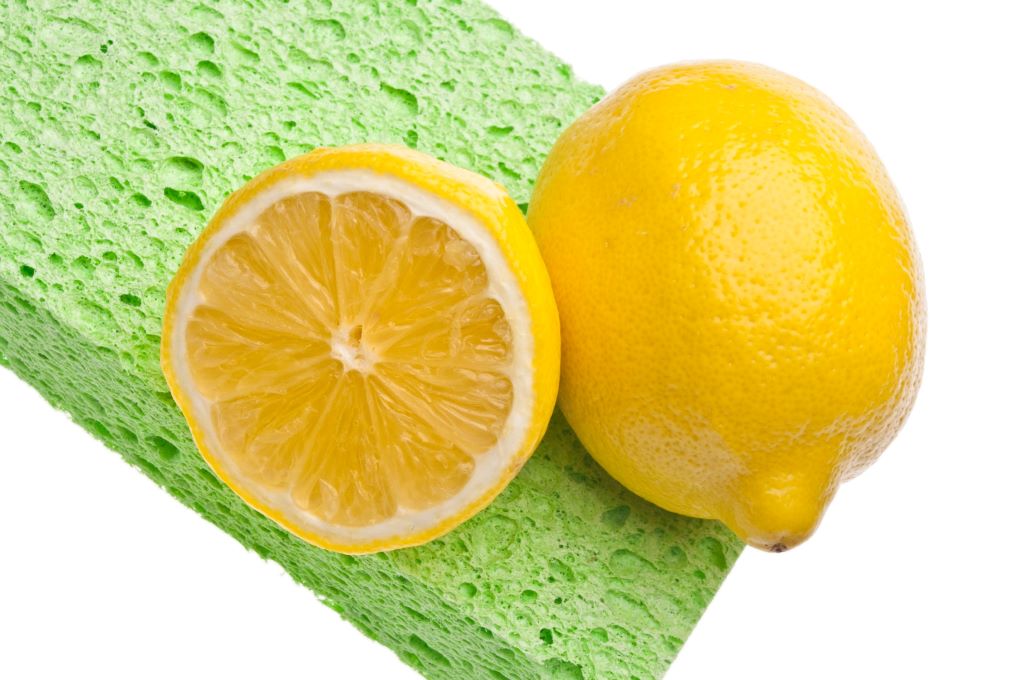
Lemon juice is a natural bleach and disinfectant, making it ideal for removing mold and mildew. Its fresh scent is an added bonus!
How to Use:
- Mix lemon juice with water in a 1:1 ratio.
- Apply the solution to affected areas using a spray bottle or sponge.
- Let it sit for 10 minutes, then scrub and rinse.
This method works best on sunny days, as sunlight enhances lemon’s natural bleaching properties.
4. Pressure Washing with Care
Pressure washing is an effective way to clean fences, but it must be done carefully to avoid damage. Use a low-pressure setting and keep the nozzle at least 12 inches away from the fence.
Tips for Pressure Washing:
- Test on a small area first to ensure it doesn’t damage the material.
- Avoid using high pressure on wooden fences, as it can strip the surface.
- Combine pressure washing with natural cleaners like vinegar for better results.
According to a study by the University of Florida, improper pressure washing can reduce the lifespan of wooden fences by up to 50%.
5. Preventative Measures to Keep Fences Clean
Prevention is key to maintaining a clean fence. Here are some tips:
- Trim nearby plants to reduce moisture buildup.
- Apply a natural sealant to protect the fence from weather damage.
- Clean your fence at least twice a year to prevent dirt accumulation.
Last summer, I noticed my wooden fence was covered in green algae. Instead of reaching for chemical cleaners, I tried a vinegar and water solution. The results were astounding! Not only did it remove the algae, but it also left the fence looking brighter. Since then, I’ve made natural cleaning a regular part of my garden maintenance routine.
Conclusion
Cleaning your garden fence naturally is a simple, eco-friendly way to maintain its beauty and longevity. By using ingredients like vinegar, baking soda, and lemon juice, you can achieve impressive results without harming the environment. Remember, regular maintenance and preventative measures are just as important as cleaning.
We’d love to hear your thoughts! Have you tried any of these methods? Share your experiences in the comments below or explore our related posts on eco-friendly gardening tips.
FAQs
How often should I clean my garden fence?
Clean your fence at least twice a year to prevent dirt and mildew buildup.
Can I use vinegar on all types of fences?
Vinegar is safe for most materials, but avoid using it on untreated wood or delicate surfaces.
Is pressure washing safe for wooden fences?
Yes, but use a low-pressure setting and keep the nozzle at least 12 inches away to avoid damage.
What’s the best natural cleaner for mold and mildew?
Lemon juice is highly effective for removing mold and mildew due to its natural bleaching properties.
How can I prevent my fence from getting dirty quickly?
Trim nearby plants, apply a natural sealant, and clean your fence regularly to prevent dirt accumulation.
Read More:
How to Clean Your Rusty Tools: A Comprehensive Guide