
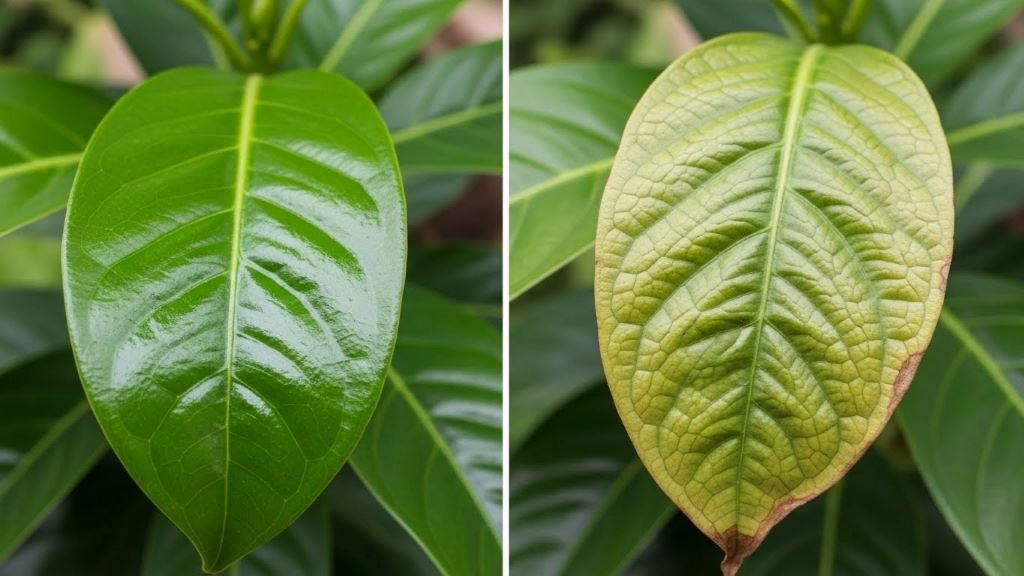
Every gardener knows the frustration of watching their once-vibrant plants lose their luster. One of the most telling signs that your garden needs attention is leaf dullness. This simple visual cue often indicates water deficiency, yet many gardeners overlook it until more severe symptoms appear. Understanding how to read your plants’ signals can save your garden from serious damage.
Understanding Leaf Dullness
Healthy plant leaves typically display a vibrant, glossy appearance. This shine comes from the waxy cuticle layer that protects the leaf surface. However, when plants lack sufficient water, their leaves lose this characteristic sheen and become dull or matte.
The transformation happens gradually. Initially, you might notice a slight reduction in glossiness. As water stress continues, the leaves become increasingly lackluster. Eventually, they may appear papery or lifeless. This progression serves as your garden’s early warning system.
How Water Deficiency Affects Leaf Appearance
Water plays a crucial role in maintaining leaf structure and appearance. Additionally, it helps plants maintain turgor pressure, which keeps cells plump and healthy. When water becomes scarce, several changes occur simultaneously.
The leaf cells begin to lose their internal pressure. Consequently, the entire leaf structure starts to collapse slightly. This subtle change affects how light reflects off the leaf surface. Instead of bouncing back brightly, light scatters unevenly across the duller surface.
Moreover, plants respond to water stress by adjusting their protective layers. The cuticle may thicken or change composition. These defensive measures often contribute to the dull appearance gardeners observe.
Early Warning Signs Beyond Dullness
While leaf dullness represents an important indicator, it rarely appears alone. Therefore, gardeners should watch for companion symptoms that confirm water deficiency.
Leaves may feel slightly thinner or more flexible than usual. They might also develop a subtle grayish or bluish tint. Furthermore, younger leaves often show symptoms before older, established foliage. This pattern helps distinguish water stress from other problems like nutrient deficiencies.
The time of day matters too. Plants may appear duller during afternoon heat, then recover somewhat by evening. However, truly water-stressed plants remain dull regardless of temperature fluctuations.
Different Plants Show Different Symptoms
Not all garden plants respond identically to water shortage. Some species evolved in arid environments and naturally possess less glossy leaves. Others developed mechanisms to hide water stress until conditions become severe.
Broad-leafed plants typically show dullness more obviously than narrow-leafed varieties. Vegetables like lettuce, spinach, and cucumber display rapid changes in leaf appearance. Meanwhile, plants with naturally waxy leaves, such as cabbage or succulents, may mask symptoms longer.
Ornamental plants present their own patterns. Roses, hydrangeas, and hostas quickly lose their shine when thirsty. Conversely, Mediterranean herbs like rosemary or lavender maintain their appearance despite reduced watering.
Testing for Water Deficiency
Leaf dullness provides valuable visual information, but gardeners should confirm their diagnosis through additional testing. The finger test remains the most accessible method. Simply insert your finger two inches into the soil near the plant’s base.
Dry soil indicates immediate watering needs. Additionally, you can lift container plants to check their weight. Light containers usually mean dry soil throughout. For in-ground gardens, a soil moisture meter offers precise readings without guesswork.
The leaf itself provides clues beyond appearance. Gently pinch a dull leaf between your fingers. A well-hydrated leaf feels firm and springs back quickly. A dehydrated leaf feels limp and may stay creased after pinching.

Distinguishing Water Stress from Other Issues
Many garden problems produce similar symptoms to water deficiency. Therefore, accurate diagnosis prevents inappropriate treatment that might worsen conditions.
Overwatering can paradoxically cause leaf dullness too. However, overwatered plants usually show yellowing leaves and mushy stems alongside dullness. The soil remains consistently wet or soggy. In contrast, underwatered plants have dry soil and crisp, brittle leaves.
Pest infestations sometimes create a dull appearance. Spider mites, for instance, cause stippling that reduces leaf shine. Nevertheless, close inspection reveals tiny pests or webbing. Nutrient deficiencies might also affect leaf color and texture, but they typically show distinct patterns like interveinal chlorosis.
According to research from the University of California Agriculture and Natural Resources, plants show measurable changes in leaf characteristics when experiencing water stress, making visual assessment a reliable diagnostic tool.
Immediate Steps When You Notice Dull Leaves
Once you confirm water deficiency, act quickly to restore plant health. However, avoid the temptation to drench extremely dry soil all at once. Sudden flooding can shock stressed plants and cause root damage.
Instead, water deeply but gradually. Apply water slowly, allowing it to penetrate rather than run off. Wait fifteen minutes, then water again. This technique ensures moisture reaches deep root zones where plants need it most.
For container plants, place them in a tray of water for thirty minutes. This bottom-watering method helps rehydrate extremely dry root balls effectively. Afterward, ensure proper drainage to prevent waterlogging.
Prevention Strategies for Healthy Leaves
Maintaining consistent soil moisture prevents leaf dullness from developing initially. Mulching provides excellent protection by reducing evaporation and moderating soil temperature. Apply two to three inches of organic mulch around plants, keeping it away from stems.
Timing your watering sessions also matters significantly. Early morning watering allows plants to absorb moisture before heat stress begins. Additionally, morning watering reduces disease risk compared to evening applications.
Consider installing drip irrigation or soaker hoses for consistent moisture delivery. These systems provide water directly to root zones, minimizing waste and maintaining steady hydration. The Environmental Protection Agency recommends efficient watering practices that help conserve water while keeping plants healthy.
Seasonal Considerations
Water needs fluctuate throughout the growing season. Spring typically requires less frequent watering as plants establish themselves and rainfall remains relatively abundant. However, summer brings increased evaporation and higher plant water demands.
During hot spells, even well-maintained gardens may show temporary leaf dullness. This normal stress response differs from chronic water deficiency. Plants typically recover overnight when root moisture remains adequate.
Fall presents unique challenges as plants prepare for dormancy. Many gardeners reduce watering prematurely, causing unnecessary stress. Continue monitoring leaf appearance and soil moisture until plants naturally go dormant.
Long-Term Garden Health
Addressing leaf dullness promptly prevents cascading problems. Chronically water-stressed plants become vulnerable to pests and diseases. Their weakened state makes recovery difficult, sometimes impossible.
Furthermore, repeated stress cycles reduce overall plant vigor. Flowers may be smaller or fewer. Vegetables produce lower yields. Ornamental plants lose their decorative appeal and may suffer permanent damage.
Building healthy soil structure improves water retention naturally. Incorporate compost and organic matter annually. These amendments help soil hold moisture longer between waterings while improving drainage to prevent waterlogging.
Conclusion
Leaf dullness serves as your garden’s first distress signal when water becomes insufficient. This visual indicator appears before more serious symptoms like wilting or leaf drop develop. By learning to recognize dull leaves early, you can intervene promptly and maintain vibrant, healthy plants throughout the growing season.
Remember that different plants show varying degrees of dullness, and confirmation through soil testing ensures accurate diagnosis. Quick action combined with preventive measures like mulching and proper irrigation timing keeps your garden thriving. Pay attention to these subtle changes in leaf appearance, and your plants will reward you with sustained beauty and productivity.
Frequently Asked Questions
How quickly do leaves become dull after plants run out of water?
Leaf dullness typically appears within 24 to 48 hours of significant water shortage. However, the exact timing depends on plant species, weather conditions, and soil type. Hot, windy days accelerate visible symptoms, while cool, humid conditions may delay them.
Can leaf dullness be reversed after watering?
Yes, in most cases leaf shine returns within 24 hours of proper watering. Severely stressed leaves may take several days to recover fully. Some extremely damaged leaves might not regain their original glossiness but new growth should appear healthy.
Do all plants show leaf dullness when they need water?
Most plants display some degree of reduced leaf shine during water stress. However, plants with naturally matte or fuzzy leaves may not show obvious changes. Succulents and plants with thick, waxy coatings often mask water deficiency symptoms longer than thin-leafed varieties.
How often should I check my plants for signs of water deficiency?
During the growing season, check plants every two to three days. Increase frequency during hot weather or for newly planted specimens. Container plants require more frequent monitoring than in-ground plantings because they dry out faster.
Is leaf dullness always caused by lack of water?
No, other factors can cause similar appearance changes. Pest damage, disease, nutrient deficiencies, and even overwatering may produce dull leaves. Always confirm your diagnosis by checking soil moisture and looking for additional symptoms before taking corrective action.
Related Topics:
How to Revive Overwatered Succulents: A Step-by-Step Guide
From Scraps to Harvest: How to Grow Plants from Kitchen Scraps