
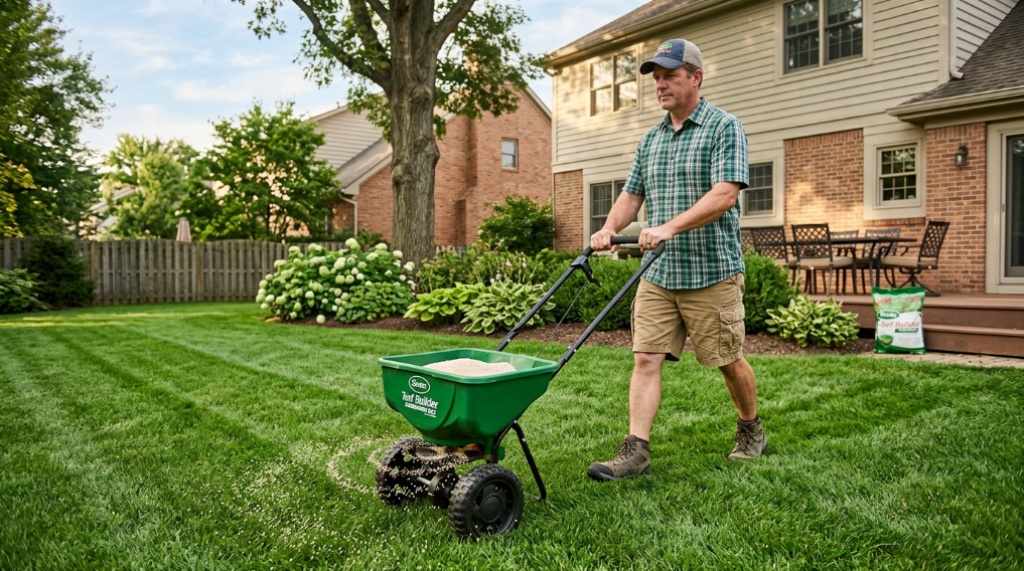
North Carolina’s climate can be surprisingly hard on a lawn. The same yard may bake through a July drought in the Piedmont, stay soggy all winter near the coast, and fight shade and clay in the mountains — often within the same growing season. That range is exactly why generic lawn advice tends to disappoint here. Getting a thick, healthy lawn starts with matching your practices to your region, your grass type, and your soil. Resources like The Village Gardener can help you choose the right tools, but the bigger wins come from timing, mowing height, and watering habits. Here’s how to get those right.
Quick Answer
For most North Carolina homeowners, the best lawn care approach is to grow a warm-season grass (Bermuda, zoysia, centipede, or St. Augustine) in the Piedmont and coastal plain, and fescue in the mountains or shady spots. Mow tall, water deeply but infrequently, fertilize according to your grass type’s active season, and test your soil before adding anything. Timing matters more than effort in this state.
Key Takeaways
- Grass type should match your region and sun exposure — warm-season grasses for most of the state, tall fescue for mountains and shade.
- Mowing height is the single biggest factor most homeowners get wrong; cutting too short weakens grass and invites weeds.
- Water deeply once or twice a week rather than lightly every day — this builds deeper roots that survive NC summers.
- Fertilize in the right season for your grass: late spring for warm-season grasses, fall for fescue.
- Soil testing through NC State Extension is free or low-cost and prevents wasted fertilizer and lime.
Why North Carolina Lawn Care Isn’t One-Size-Fits-All
North Carolina sits in a transition zone between the cool, humid North and the warm, humid South. That means both cool-season and warm-season grasses can survive here, but neither thrives everywhere. The result is that a single “best practice” list doesn’t work across the state.
Roughly speaking, the state breaks into three lawn regions:
- Mountains (western NC): Cooler summers and colder winters make tall fescue the dominant choice. Warm-season grasses struggle with the elevation and cold.
- Piedmont (central NC): A true transition zone. Tall fescue can work with irrigation and shade management, but Bermuda, zoysia, and centipede often do better in full sun.
- Coastal Plain and eastern NC: Hot, humid, and often sandy. Warm-season grasses like St. Augustine, Bermuda, and centipede are the standard.
Choosing a grass that doesn’t match your zone is the most common reason lawns fail here. A Bermudagrass lawn in Boone will die back hard each winter. A tall fescue lawn in Wilmington will struggle through summer heat and disease pressure. Getting this choice right early saves years of frustration, want to grow your own produce nearby? check out our guide on how to build a no-dig vegetable garden setup.
Mowing: The Most Important Habit You’re Probably Doing Wrong
Mow tall, mow often, and never remove more than one-third of the blade at once. That single rule prevents most lawn problems in North Carolina.
Scalping — cutting grass very short — is tempting because it means mowing less often. But it also:
- Exposes bare soil to sunlight, which lets weed seeds germinate
- Stresses the grass and reduces its root system
- Makes the lawn more vulnerable to drought and disease
- Lets crabgrass, dallisgrass, and other NC weeds move in fast
Here’s a rough guide to cutting heights by grass type:
| Grass Type | Ideal Mowing Height | Notes |
|---|---|---|
| Tall Fescue | 3–4 inches | Higher in summer, slightly lower in fall |
| Bermuda | 1–2 inches | Needs frequent mowing; scalps poorly in heat |
| Zoysia | 1.5–2.5 inches | Thick thatch; don’t let it get too tall |
| Centipede | 1.5–2 inches | Low-maintenance but intolerant of low mowing |
| St. Augustine | 3–4 inches | Shade-tolerant; sensitive to scalping |
Keep mower blades sharp. Dull blades tear grass rather than cut it, leaving ragged tips that brown and invite disease — a real problem in NC’s humid summers.
Watering: Deep and Infrequent Beats Daily Sprinkling

Water deeply once or twice a week — enough to wet the soil 4 to 6 inches down — rather than lightly every day. Deep watering encourages roots to grow downward, which helps grass survive drought and heat stress.
In most of North Carolina, lawns need about 1 inch of water per week, including rainfall. During July and August, that can climb, especially in the Sandhills and coastal areas where sandy soils drain quickly. In the mountains, cooler temperatures often reduce the need.
Signs you’re overwatering:
- Mushrooms or moss appearing in the lawn
- Persistent wet spots and fungal disease
- Shallow roots and a lawn that wilts quickly
- Increased dollar spot, brown patch, and gray leaf spot
Water early in the morning if possible. Evening watering leaves blades wet overnight, which is when fungal diseases take hold — a real concern in NC’s humid climate.
Fertilizing and Soil Testing
Get a soil test before buying fertilizer. North Carolina State University’s Extension Service offers soil testing for homeowners through county offices, and it’s one of the cheapest, most useful steps you can take.
Why it matters: NC soils range from heavy red clay in the Piedmont to sandy loam on the coast. Lime and fertilizer needs vary widely. Applying the wrong product wastes money and can harm the lawn.
A general fertilization schedule looks like this:
- Tall fescue: Fertilize mainly in fall (September and November), with a light spring feeding if needed. Avoid heavy summer nitrogen — it fuels disease.
- Bermuda and zoysia: Feed in late spring and through summer as they actively grow. Stop by early fall.
- Centipede: Light feeder. Too much nitrogen causes decline. One feeding in late spring is often enough.
- St. Augustine: Feed in late spring and summer; avoid high-nitrogen products near dormancy.
The biggest mistake in NC is over-fertilizing fescue in summer or feeding warm-season grasses too early in spring before they’ve greened up. Both invite disease and waste product.
Weed, Disease, and Pest Pressure in NC
NC’s humid climate makes weed, disease, and insect pressure worse than in drier regions. Pre-emergent herbicides are the workhorse for crabgrass and other summer annual weeds, applied in late winter or early spring before soil temperatures reach about 55°F.
Common issues homeowners run into:
- Crabgrass and dallisgrass: Prevent with pre-emergent in early spring; spot-treat as needed.
- Chickweed and henbit: Winter annuals — prevent with a fall pre-emergent.
- Brown patch and large patch: Fungal disease triggered by warm, wet conditions and over-fertilizing.
- Grubs and mole crickets: More common in coastal areas; treat based on confirmed activity, not on a calendar.
- Fire ants: A persistent problem in the eastern half of the state.
Don’t treat for pests you don’t have. Many insecticide and fungicide applications are unnecessary and can harm beneficial organisms.
Aeration, Overseeding, and Thatch
Core aeration once a year in fall is one of the most effective practices for tall fescue lawns in NC. It relieves soil compaction, especially on Piedmont clay, and helps water, air, and nutrients reach roots.
Overseeding tall fescue in early fall (September to mid-October) fills in thin spots before winter weeds take hold. Warm-season grasses generally don’t need overseeding and usually shouldn’t be seeded at all — they spread on their own.
Thatch — the layer of dead stems and roots at soil level — becomes a problem when it exceeds about half an inch. It blocks water and fertilizer. Dethatching is occasionally necessary, but frequent light aeration usually keeps it in check without aggressive treatment.
Seasonal Calendar at a Glance
Here’s a simplified version most NC homeowners can follow:
- Late winter (Feb–Mar): Soil test. Apply pre-emergent to warm-season lawns when soil warms.
- Spring (Mar–May): First mow at the right height. Light fertilizer for warm-season grasses as they green up. Avoid heavy fescue feeding.
- Summer (Jun–Aug): Water deeply when needed. Mow often. Watch for disease. Don’t fertilize fescue heavily.
- Fall (Sep–Nov): Aerate and overseed fescue. Main fertilizer application for cool-season grass. Apply fall pre-emergent to prevent winter weeds.
- Winter (Dec–Jan): Reduce mowing. Avoid traffic on frozen or soggy lawns. Plan next year’s soil test.
Adjust timings based on your specific region — the mountains run about three to four weeks behind the coast.
Frequently Asked Questions
What is the best grass for a North Carolina lawn?
It depends on your region. Tall fescue is best for the mountains and shaded Piedmont yards. Bermuda, zoysia, centipede, and St. Augustine are better for the Piedmont and coastal plain, especially in full sun. Choose based on your zone and sun exposure, not just appearance.
How often should I water my lawn in NC?
Water deeply once or twice a week — about 1 inch total — rather than daily. Early morning is best to reduce disease risk. Sandy coastal soils may need more frequent watering; heavy Piedmont clay may need slower, longer cycles to soak in.
When should I fertilize my lawn in North Carolina?
Fertilize tall fescue mainly in fall (September and November). Feed warm-season grasses like Bermuda and zoysia in late spring and summer as they actively grow. Always follow a soil test rather than a fixed schedule.
Is fall or spring the best time to overseed fescue in NC?
Early fall — September through mid-October — is the best time. Soil is still warm, air is cooling, and weeds are less competitive. Spring overseeding usually fails because summer heat arrives before the new grass is established.
Do I need to dethatch my lawn?
Only if thatch exceeds about half an inch and is blocking water and nutrients. Annual core aeration usually prevents thatch buildup and is gentler than aggressive dethatching, which can damage warm-season grasses if done at the wrong time.
Why does my NC lawn have brown patches in summer?
Likely causes are fungal disease (brown patch or large patch), drought stress, grub damage, or dull mower blades. Check soil moisture, sharpness of blades, and inspect for insects before treating. Fungal issues are more common in humid, overwatered, or over-fertilized lawns.
Conclusion
Good lawn care in North Carolina comes down to three things: choosing the right grass for your region, mowing tall and often, and watering deeply but not too frequently. Add a soil test, fertilize on the schedule your grass type actually wants, and handle weeds and disease with targeted treatments instead of broad calendar-based applications. Do those things and your lawn will handle NC’s swings between drought, humidity, and cold far better than a lawn managed by guesswork.