
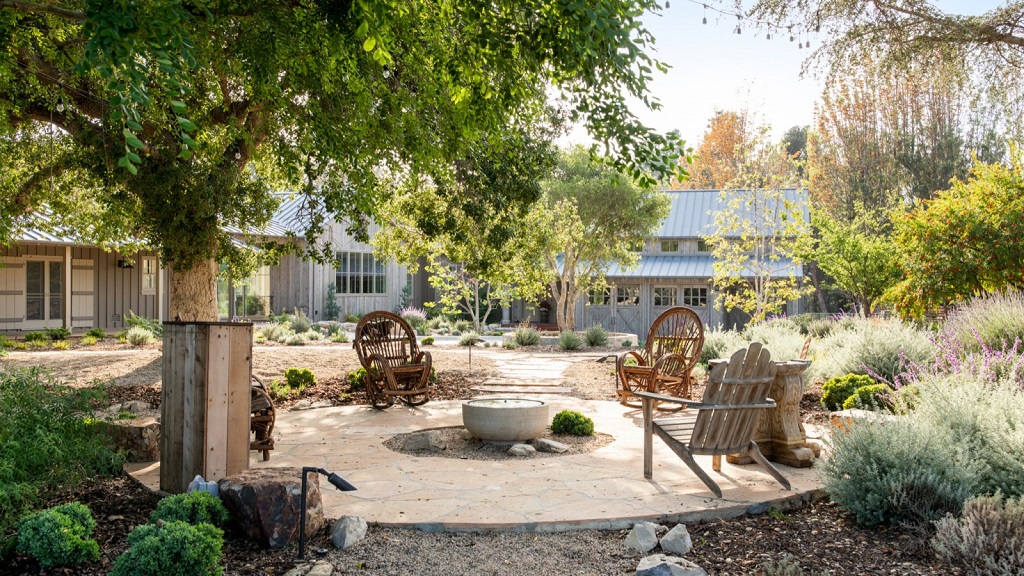
Picture this: a lush backyard bursting with native wildflowers, edible plants, and a serene rain garden, all thriving with minimal effort. Gardening in Canada has transformed from a mere hobby into a vibrant movement that blends sustainability with stunning aesthetics. The new wave of gardening in Canada is redefining outdoor spaces, prioritizing eco-friendly practices and stylish designs that resonate with modern homeowners. In 2025, Canadians are embracing innovative trends that not only beautify their yards but also nurture the planet. This article dives into the heart of this revolution, exploring how sustainable and stylish gardening is reshaping landscapes across the country.
The Rise of Eco-Conscious Gardening
Canadians are increasingly aware of climate change, with 68% expressing concern about environmental impacts, according to a 2024 Environics survey. This awareness drives the shift toward eco-conscious gardening. Homeowners now choose native plants like red buckwheat and drought-tolerant species such as lavender to reduce water usage. These plants thrive in local climates, requiring less maintenance and fewer resources. For instance, native grasses support pollinators like bees, which have declined by 30% in North America over the past decade. By contrast, some argue that non-native plants can add variety, but they often demand more water and chemicals, undermining sustainability. Choosing native species ensures gardens remain resilient, aligning with Canada’s rugged natural beauty.
Meadowscaping: Wild Beauty Meets Low Maintenance
Meadowscaping has surged in popularity, with 45% of Canadian gardeners incorporating wildflowers, per a 2025 Gardening Canada report. This trend replaces high-maintenance lawns with vibrant, pollinator-friendly meadows. Wildflowers like black-eyed Susans and native grasses require minimal watering and mowing, saving homeowners time and money. A single meadow can support over 100 species of insects, boosting biodiversity. However, critics note that meadows can appear untidy to traditionalists. Yet, their ecological benefits, such as reducing carbon footprints by 20% compared to lawns, outweigh aesthetic concerns. Meadowscaping offers a practical solution for busy Canadians seeking sustainable and stylish gardens.
Edible Landscaping: Beauty You Can Eat
Edible landscaping is gaining traction, with 35% of urban gardeners integrating food crops, according to Small Farm Canada. Think blueberry bushes nestled among perennials or kale tucked into flower beds. This approach maximizes space while providing fresh produce, cutting grocery bills by up to $800 annually. It also reduces food miles, lowering carbon emissions. Some worry about pests, but companion planting—pairing marigolds with vegetables—naturally deters insects. Edible landscaping transforms yards into functional, visually appealing spaces, proving that sustainability can be deliciously stylish.
Smart Technology: Gardening in the Digital Age
Technology is revolutionizing gardening, with smart irrigation systems adopted by 25% of Canadian gardeners, per a 2025 Hortifuture study. These systems use sensors to monitor soil moisture, delivering precise water amounts. This reduces waste by up to 50% compared to traditional sprinklers. Apps like PlantNet help identify native species, ensuring eco-friendly choices. However, high initial costs deter some, though long-term savings on water bills justify the investment. Smart technology simplifies maintenance, making sustainable and stylish gardening accessible to beginners and experts alike.
Rain Gardens: Capturing Nature’s Gift
Rain gardens are a game-changer, especially in water-scarce regions like British Columbia. These shallow basins, filled with native plants, capture runoff, reducing flooding by 30%, according to the Canadian Wildlife Federation. Plants like sedges thrive in wet conditions, enhancing yard aesthetics. Rain gardens also filter pollutants, improving local water quality. Some homeowners hesitate due to installation costs, but DIY options and community workshops make them affordable. By embracing rain gardens, Canadians create stunning, eco-friendly landscapes that tackle climate challenges head-on.
Battery-Powered Tools: Greener Gear for Greener Gardens

The shift from gas to battery-powered tools is accelerating, with 40% of gardeners switching in 2025, per Park Seed Blog. These tools produce zero emissions, reducing carbon footprints by 15% compared to gas models. They’re quieter, cutting noise pollution in urban areas. While skeptics cite battery life limitations, advancements have extended run times, making them reliable for most tasks. Battery-powered mowers and trimmers align with the sustainable and stylish ethos, offering efficiency without sacrificing environmental values.
Vertical Gardening: Maximizing Small Spaces
Urban Canadians, especially in cities like Toronto, are turning to vertical gardening to maximize limited spaces. Vertical setups, like living walls, increase greenery by 50% in small yards, per Gardeninguru. They use native vines or herbs, blending style with sustainability. These gardens improve air quality and insulate homes, saving 10% on energy bills. Critics argue they require frequent maintenance, but drip irrigation systems simplify care. Vertical gardening proves that even tiny spaces can become lush, eco-conscious retreats.
Community Gardening: A Collective Green Effort
Community gardens are flourishing, with over 2,000 across Canada, per the Canadian Urban Institute. These shared spaces foster social bonds and provide fresh produce to 60% of participants. They also promote biodiversity by incorporating native plants. Some see them as time-consuming, but group efforts reduce individual workloads. Community gardens embody the sustainable and stylish movement, creating vibrant, inclusive spaces that strengthen neighborhoods while supporting the environment.
Avoiding Pitfalls: Sustainable Practices to Embrace
Not all trends align with sustainability. Monochromatic gardens, while visually striking, reduce biodiversity, per Sunset Magazine. Instead, opt for diverse plant palettes to support wildlife. Similarly, avoid plastic landscaping fabrics; biodegradable cardboard suppresses weeds without environmental harm. Choosing long-term solutions like composting over chemical fertilizers enhances soil health, ensuring gardens remain both stylish and sustainable for years.
Bringing It All Together: Your Sustainable Oasis
Creating a sustainable and stylish garden starts with small, intentional steps. Begin by assessing your yard’s climate and soil to select native plants. Incorporate a rain garden or edible crops for functionality. Invest in smart irrigation to save water and time. Join a community garden to learn from others. These choices blend aesthetics with eco-conscious practices, transforming your yard into a resilient, beautiful sanctuary that reflects Canada’s commitment to sustainability.
For more inspiration, explore resources from the Canadian Wildlife Federation or Gardening Canada.
Featured Snippet: What is the new wave of gardening in Canada?
The new wave of gardening in Canada combines sustainability with style, focusing on eco-friendly practices like meadowscaping, edible landscaping, and rain gardens. Gardeners prioritize native plants, smart technology, and battery-powered tools to reduce environmental impact while creating visually appealing spaces. This movement, driven by climate awareness, emphasizes biodiversity, water conservation, and low-maintenance designs, transforming yards into functional, beautiful oases.
FAQs
What are native plants, and why are they important?
Native plants, like red buckwheat, are adapted to local climates, requiring less water and maintenance while supporting pollinators.
How do rain gardens benefit the environment?
Rain gardens capture runoff, reduce flooding, and filter pollutants, improving water quality and supporting local ecosystems.
Can small yards be sustainable and stylish?
Yes, vertical gardens and container-scaping maximize space, using native plants for eco-friendly, visually appealing designs.
Are battery-powered tools worth the investment?
Battery-powered tools reduce emissions and noise, with improving battery life making them a sustainable choice.
How does edible landscaping work?
Edible landscaping integrates food crops like herbs or berries into decorative gardens, saving money and reducing food miles.
What is meadowscaping, and is it hard to maintain?
Meadowscaping uses wildflowers and grasses for low-maintenance, pollinator-friendly yards that require minimal watering and mowing.
How can I start a sustainable garden?
Choose native plants, install a rain garden, use smart irrigation, and join a community garden for support.
Releted Topics: Create a Wellness Garden Sanctuary
Final Thought
The new wave of gardening in Canada is a celebration of innovation and responsibility. By blending sustainable practices with stylish designs, gardeners create spaces that nurture both people and the planet.
Call to Action
Ready to transform your yard? Start with one sustainable practice, like planting native wildflowers or building a rain garden. Share your garden journey in the comments or join a local gardening group to inspire others!