
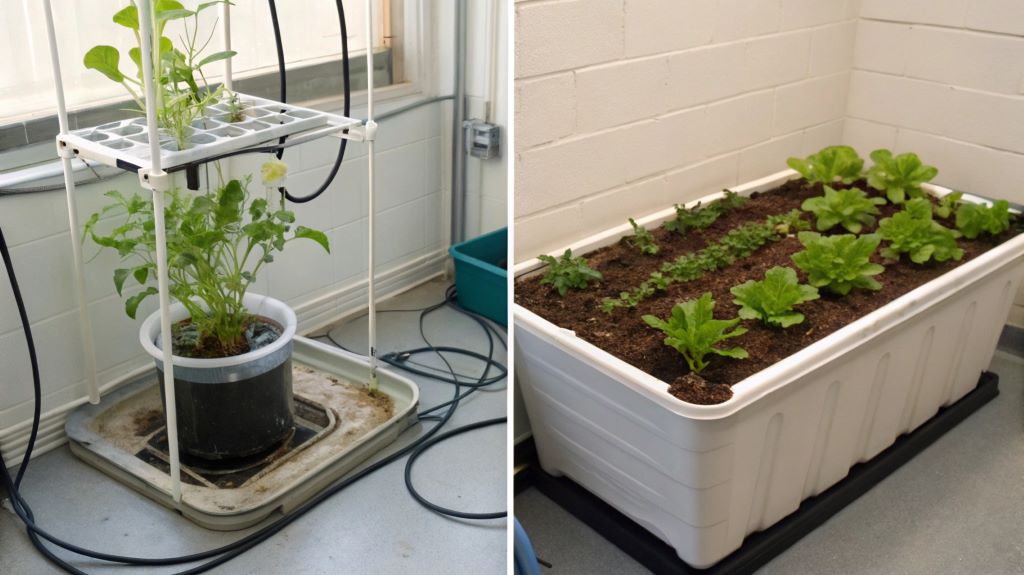
Ever dreamed of growing fresh herbs or veggies but worried your tiny apartment can’t handle it? Small spaces pose a challenge for gardening enthusiasts, yet both hydroponics and traditional soil gardening offer solutions. Hydroponics vs. soil gardening sparks debates among urban gardeners, each method boasting unique benefits for plant growth. This article compares hydroponic systems and soil-based gardening for limited space environments, using data-driven insights to help you choose the best method. Ready to transform your balcony or countertop into a thriving garden? Let’s dig in!
Why Small-Space Gardening Matters
Urban living often means sacrificing outdoor space, but the desire for fresh produce or vibrant plants remains strong. According to a 2023 National Gardening Association report, 35% of urban households engage in some form of gardening, with hydroponic gardening and traditional soil gardening leading the way. Both methods cater to limited space environments, but their approaches differ significantly. Hydroponics, a sustainable method, uses water and nutrient solutions, while soil gardening relies on natural soil. Which is better for your compact plants? Let’s explore the key differences.
Understanding Hydroponics: A Game Changer for Small Spaces
Hydroponic systems grow plants without soil, delivering nutrients directly to plant roots via a nutrient solution. This method is ideal for urban gardening, offering complete control over conditions for plant growth. Hydroponic farms have gained popularity for their space efficiency and faster growth rates. Here’s how hydroponics works in small spaces:
- Types of Hydroponic Systems: Options like deep water culture, Nutrient Film Technique, drip irrigation systems, and aeroponic systems suit various plant varieties. Deep water culture systems, for example, submerge roots in nutrient-rich water, using an aquarium-type pump or electronic pump for oxygen.
- Space Efficiency: Hydroponic setups require less space than a conventional garden bed, making them perfect for indoor environments or balconies.
- Nutrient Delivery: Hydroponics ensures consistent nutrient delivery, controlling nutrient levels to avoid deficiencies in hydroponic plants.
- Faster Growth: Plants in hydroponic environments often grow 30–50% faster than those in soil, per a 2022 study by the University of Arizona.
However, hydroponics involves upfront costs for grow lights, air pumps, and nutrient solutions, which can increase energy bills. Despite this, its climate-proof nature makes it an excellent choice for arid climates or dry climates.
Exploring Soil Gardening: The Traditional Approach
Traditional soil-based gardening relies on natural soil to provide nutrients and support root systems. It’s a familiar method for many, often evoking memories of tending a traditional garden. Soil gardening suits a variety of plants, from root crops to cold-weather crops, but it has unique challenges in small spaces. Here’s what to know:
- Soil Preparation: Soil quality is critical. Preparing acres of soil or even a small pot requires testing for heavy metals and organic matter to ensure a healthy plant ecosystem.
- Nutrient Availability: Plants in soil absorb nutrients from soil, but inconsistent soil quality can lead to weaker plants or sick plants.
- Space Requirements: Soil gardening often demands more space than hydroponics, as pots or raised beds take up room compared to compact hydroponic setups.
- Pest Control: Soil gardens face higher risks of crop contamination from pests, requiring careful management compared to closed hydroponic systems.
Soil gardening is cost-effective initially, as it avoids the need for artificial lighting systems or electronic pumps. However, maintaining soil quality in small spaces can be labor-intensive.
Hydroponics vs. Soil: Key Differences in Small Spaces
The differences between hydroponics and soil gardening boil down to space, control, and maintenance. Hydroponics offers precise control over nutrient dosing and light levels, ideal for urban farming. Soil gardening, however, leverages natural conditions and is often more intuitive for beginners. Here’s a detailed comparison:
- Space Efficiency: Hydroponics excels in limited space environments, requiring only a bit of space for setups like Nutrient Film Technique. Soil gardening needs larger containers, limiting its use in tight spaces.
- Growth Speed: Hydroponic crops, especially fast-growing, less demanding plants like lettuce, thrive with intense light and nutrient delivery, yielding faster plants. Soil-based plants grow slower, relying on natural soil processes.
- Maintenance: Hydroponics requires monitoring nutrient levels and energy consumption, while soil gardening involves soil preparation and pest control.
- Sustainability: Hydroponics uses less water for soil-like growth, making it a sustainable method. Soil gardening, however, can incorporate crop rotation to maintain soil health.
A 2021 study by the NPS Office of Public Health noted that hydroponic farms reduce the chance of food recalls due to lower crop contamination risks, unlike traditional farms.
Benefits and Challenges of Hydroponics
Hydroponics is a game changer for small-space gardeners, offering enhanced plant yields and flexibility. Its agnostic nature suits various plant varieties, from Asian food crops to herbs. Key benefits include:
- Faster Growth: Hydroponic plants grow quickly, ideal for those seeking rapid harvests.
- Water Efficiency: Hydroponics uses up to 90% less water than traditional soil gardening, per a 2023 FAO report.
- Pest Control: Closed systems reduce pest issues, minimizing the need for chemical fertilizers.
- Climate-Proof Nature: Hydroponics thrives in arid climates or indoor environments, unaffected by current soil conditions.
Challenges include initial setup costs for grow lights, air pumps, and nutrient solutions. Energy consumption for artificial grow lights can also raise energy bills, requiring careful budgeting.
Benefits and Challenges of Soil Gardening
Soil gardening remains a popular choice in terms of tradition and accessibility. Its benefits include:
- Cost-Effective: Soil gardening avoids the upfront costs of hydroponic setups, relying on natural soil and sunlight.
- Familiarity: Many gardeners prefer the tactile experience of working with organic matter.
- Crop Variety: Soil supports root crops and cold-weather crops that may not thrive in hydroponic environments.
- Natural Conditions: Plants benefit from the ecosystem for plants created by natural soil.
However, soil gardening faces challenges in small spaces. Concerns with soil grows include pest issues and the need for regular soil quality checks. Space requirements also limit its feasibility in urban settings.
Choosing the Right Method for Your Space

Deciding between hydroponics and soil gardening depends on your goals, space, and budget. Consider these factors:
- Space Availability: If you have a bit of space, like a balcony, hydroponics offers space efficiency. Larger spaces may accommodate a traditional garden.
- Plant Varieties: Hydroponics suits compact plants with shallow roots, like herbs. Soil gardening supports a wider variety, including root crops.
- Budget: Soil gardening is cheaper initially, but hydroponics can be cost-effective long-term due to faster yields.
- Time Commitment: Hydroponics requires monitoring nutrient solutions, while soil gardening demands soil preparation and pest management.
For example, a city dweller growing herbs might choose a deep water culture system for its simplicity, while a suburban gardener with outdoor space might opt for a conventional garden bed.
Practical Tips for Small-Space Gardening
Whether you choose hydroponics or soil, these tips maximize success:
- Select Fast-Growing Plants: Choose plant seeds for crops like lettuce or basil, which thrive in both systems.
- Optimize Light: Use natural light for soil gardens or types of grow lights for hydroponics to ensure healthy plant growth.
- Monitor Nutrients: For hydroponics, maintain a balance of nutrients. For soil, test for essential nutrients regularly.
- Practice Crop Rotation: In soil gardening, rotate crops to maintain soil health and prevent pest buildup.
Addressing Health and Safety Concerns
Both methods must address potential risks. Hydroponics avoids heavy metals in soil but requires careful nutrient solution management to prevent detrimental health consequences. Soil gardening risks crop contamination if soil quality is poor. Regular testing and using commercial fertilizers safely can mitigate these issues.
Conclusion
Hydroponics and soil gardening both offer exciting possibilities for small-space gardeners. Hydroponics shines for its space efficiency and faster growth, ideal for urban farming. Soil gardening, with its traditional charm, suits those with a bit more space and a love for natural soil. By understanding the nature of hydroponics and the benefits of soil, you can choose the method that fits your lifestyle.
Ready to start your gardening journey? Share your thoughts on hydroponics vs. soil in the comments, or explore more gardening tips on our blog. Transform your small space into a green oasis today!
Vertical vs. Horizontal Hydroponics: Understanding the Key Differences
FAQs
Which is better for small spaces: hydroponics or soil?
Hydroponics is more space-efficient, ideal for apartments, while soil suits larger spaces like balconies.
Do hydroponic plants grow faster than soil plants?
Yes, hydroponic plants grow 30–50% faster due to consistent nutrient delivery (University of Arizona, 2022).
What are the costs of hydroponics vs. soil gardening?
Hydroponics has higher initial setup costs, while soil gardening is cheaper but requires ongoing soil maintenance.
Can I grow root crops in hydroponics?
Root crops are better suited for soil gardening, as hydroponics favors shallow-rooted plants.
How do I prevent pests in small-space gardening?
Hydroponics reduces pest risks with closed systems; soil gardens need regular pest control measures.
Read More: