
Damp is probably the biggest cause of damage to stored items. And most damp-related problems are easy to prevent if you know what to look for and how to prevent it.
Why Storage Units Get Damp
Damp in storage is often misunderstood as being caused by leaks or flooding. In reality the majority of damp in storage is caused by condensation. When warm, moist air comes into contact with a cold surface it will condense back into droplets., The process of condensation is explained in more detail on bregroup.com. Within a storage unit the moist air is at its highest during the mornings and evenings, even if there has been no external moisture penetration.
Choose a Climate Controlled Unit
Anything temperature sensitive should be stored in a Climate Controlled unit. This includes things like electronics, books, photographs, vinyl records and wooden furniture. As items that are sensitive to temperature fluctuation are stored in Self Storage Swindon units, it is worth asking at the facility whether they offer Climate Control as well as heating. Although they are sometimes referred to interchangeably, they are not always the same thing.
Raise Everything Off the Floor
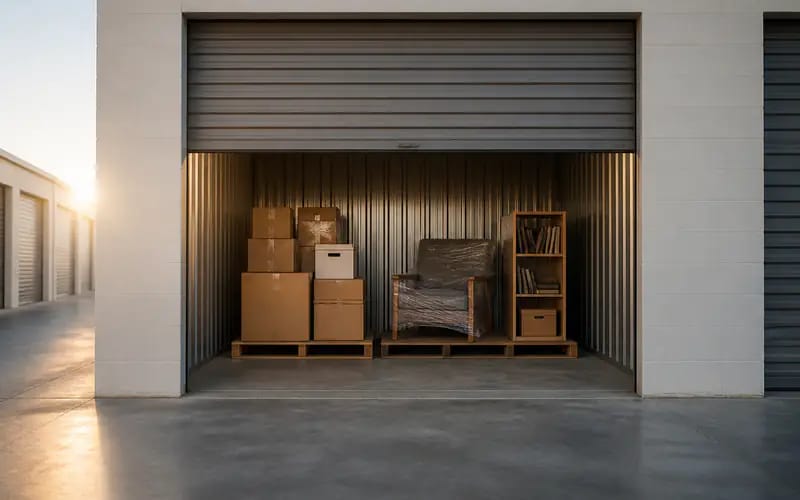
When items are stored on the floor of a storage unit, cold floors can quickly start to suffer from damp. By elevating items off the floor using wooden pallets, plastic storage shelves or even bricks, it is possible to create space for air to circulate underneath items. This will help to prevent moisture in the air from rising up into the cardboard boxes and wooden legs of items of furniture and causing rot.
Avoid Sealing Fabric Items in Plastic
Most people wrap their mattresses or sofas in plastic in order to store them. However, this method of protection can sometimes have the opposite effect and cause mildew to appear within weeks. Instead opt for breathable cotton dust sheets or covers for sofas and storage of furniture. These protect your furniture from dust whilst allowing air to pass through the fabric. If you are looking for Self Storage Swindon, see Anchor Self Storage Swindon.
Use Moisture Absorbers Around the Unit

Small bags of silica gel and bags of activated charcoal can be bought cheaply and can be used to absorb excess moisture from the air. Place several around the storage space including in wardrobes, inside drawers and at the bottom of storage boxes. However, remember to check them from time to time as silica gel changes colour when saturated and charcoal bags will cease to work when full. Set a reminder to replace them from time to time.
Leave Gaps Between Boxes and Walls
Leave space between your boxes and the walls of your unit. A tight unit means a still unit and in a still unit condensation will form. Leaving a few inches of space all around the unit will enable air to circulate round the stored items and prevent moisture from forming on the surface of the items stored against walls and on the floor of the unit.
Dry Everything Before It Goes In
The biggest mistake made by most people when putting items into storage is to forget that a single item with high moisture content can cause vast amounts of problems in a short space of time. Make sure you thoroughly inspect all items for moisture before storing them. If in doubt, leave it out to dry for 24 hours or so. This will help to prevent unsightly and potentially damaging mould from growing. Mould is a major problem and can spread quickly from contact with another damp item.
Check the Unit Regularly
Visiting your storage unit every few weeks or so to inspect the goods for signs of damp and musty smell is crucial even if you have taken all the necessary measures to prevent damp from occurring. Look for signs of condensation such as beads of water on the walls and ceiling of the unit. Check the boxes for any signs of early stages of mould growth in the corners and under sides of furniture.
Damp problems in storage tend to start off small and then go unnoticed until they become a problem. Regular checks of your stored goods can help to prevent this type of problem occurring.