
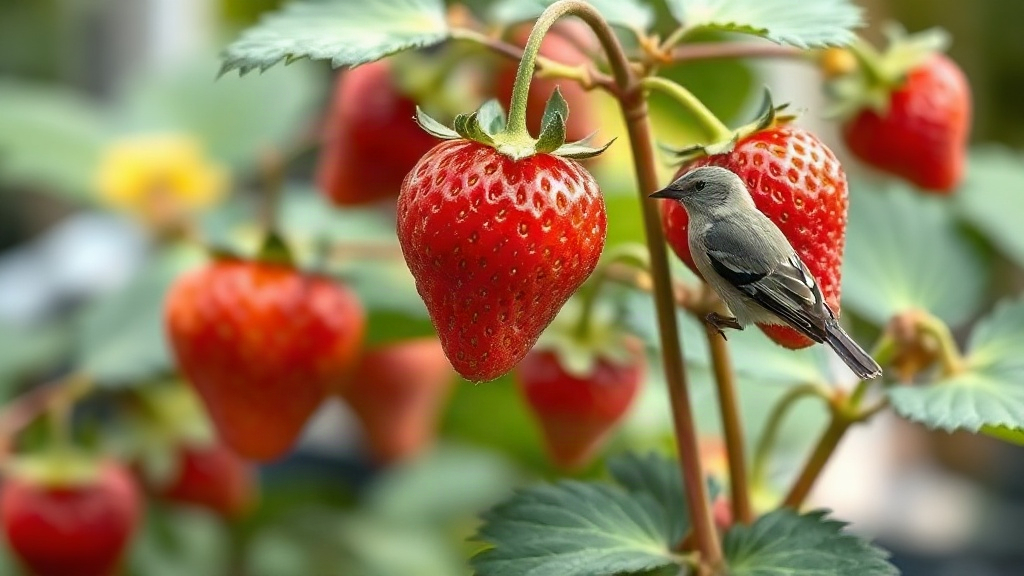
You check your strawberry bed one morning and find half-ripe berries pecked hollow, leaves chewed, and slugs hiding under the mulch. Learning to protect strawberry plants from birds and other pests is one of the most practical skills a home grower can develop. Birds strike first, often just as fruit begins to color. Insects, slugs, and small mammals finish what they leave behind. The good news is that a layered defense works, and you do not need expensive equipment to build one. If you want a broader set of growing references alongside this guide, you can go here for general garden advice.
Quick answer: Cover your plants with netting or a bird-friendly cage before berries start to ripen, keep the netting taut and anchored so birds cannot slip underneath, and combine it with slug control, regular harvesting, and clean mulch. Timing matters most: install protection early, inspect it weekly, and pick fruit as soon as it turns red.
What is protect strawberry plants from birds?
Protecting strawberry plants from birds means keeping birds, insects, slugs, and small mammals away from ripening fruit and healthy foliage. It is a combination of physical barriers, habitat management, and harvesting habits rather than a single product. The goal is not to harm wildlife. It is to make your strawberry bed a poor target while keeping pollinators welcome.
Birds are drawn to strawberries because the fruit is soft, brightly colored, and easy to spot. Robins, blackbirds, starlings, and jays learn quickly where a reliable food source sits. Once one bird finds a ripe patch, others often follow within days. That is why a bed can look untouched on Monday and stripped by Thursday.
Pest pressure goes beyond feathers. Slugs and snails chew holes in low-hanging fruit. Aphids cluster on new growth and weaken plants. Tarnished plant bugs cause deformed, seedy berries. Mice and voles tunnel under mulch and nibble fruit near the soil line. Each pest needs a slightly different response, which is why a single fix rarely solves the whole problem.
Three principles guide most successful protection plans:
- Exclusion: a physical barrier stops birds and insects from reaching fruit.
- Deterrence: visual or habitat changes make the area less attractive.
- Sanitation: removing hiding spots and overripe fruit reduces pest populations.
Each layer catches what the others miss. Netting alone keeps birds out but leaves slugs free to feed. Slug control alone leaves fruit exposed to wings.
A single bird that finds ripe fruit will often return daily and may bring others. Deterrents work best when installed before the first berry colors, not after damage appears.
The takeaway is simple: think in layers, not in one gadget. A barrier plus clean ground plus steady picking covers most of the risk.
Why protect strawberry plants from birds matters
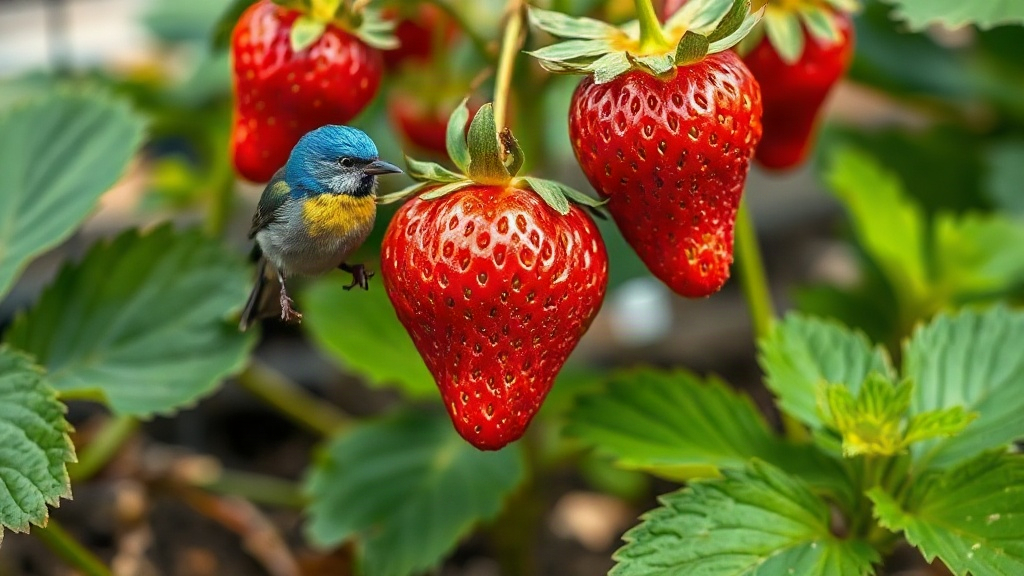
The cost of doing nothing is real. Strawberries ripen over several weeks, and each berry takes time and water to develop. A bird can ruin a berry in seconds and often pecks several before settling on one. Because damaged fruit molds quickly, a single pecked berry can spread rot to its neighbors.
Timing makes this worse. Strawberries ripen in waves, so a gap in protection during one warm week can cost a large share of the season’s crop. Plants also weaken when pests strip leaves or sap energy. Fewer healthy leaves mean smaller berries next year, since the plant stores energy for the following season.
Protection also supports better fruit quality. Covered, cleanly mulched beds tend to produce berries that are intact, dry, and free of slug scars. That matters whether you eat them fresh, freeze them, or share them with neighbors. A berry with a peck hole is not just unsightly; it spoils faster in the fridge and is unsafe to store.
There is a practical side as well. Bird netting, row cover, and slug traps are inexpensive compared with replacing plants or losing a whole harvest. A modest investment installed once can serve several seasons if you store it well.
Some bird species are legally protected in many regions. Check local rules before using any deterrent that traps or harms birds. Netting and visual deterrents are the safer choices.
The main point: protection preserves both this year’s fruit and next year’s plant vigor. Losing berries is frustrating, but losing plant health quietly costs more over time. For readers interested in keeping beds productive long term, learning to divide strawberry plants step by step helps renew crowded patches after harvest.
| Pest | Typical damage | Best first response |
|---|---|---|
| Birds | Pecked or missing ripe fruit | Taut netting or fruit cage |
| Slugs and snails | Holes and slime trails on low fruit | Mulch control, traps, evening checks |
| Aphids | Curled leaves, sticky residue | Water spray, beneficial insects |
| Mice and voles | Gnawed fruit near soil | Clear mulch edges, mow nearby grass |
The table shows where to start, but most gardens face two or three pests at once. Plan for combinations rather than a single enemy.
Best practices
Install netting correctly
Netting works only when it is installed well. Drape it over hoops or a simple frame so fabric never touches the fruit. Loose netting snags birds and can trap them, and it sags where birds can peck through. Anchor edges to the ground with pegs or weights, and leave no gaps wider than a few centimeters.
Choose mesh sized for birds rather than large garden netting, and check the bed weekly for snagged wildlife or gaps. Remove netting during bloom if pollinators need access, then reinstall once petals fall and fruit begins to form.
Time protection to the ripening window
Set protection in place just before berries start to color. Early covering risks trapping pollinators during flowering. Late covering means the first ripe fruit is already gone. A practical rhythm: cover at first blush of pink, harvest daily, and uncover briefly after picking if you prefer.
Manage slugs and ground pests
Slugs shelter under damp mulch, boards, and dense weeds. Keep a dry, open strip around the bed. Handpick slugs after dusk with a flashlight, or set simple traps such as boards you check each morning. Keep grass mowed near the bed to reduce cover for mice.
Use visual deterrents as backup
Reflective tape, scare tape, and spinning objects can unsettle birds for a while. Move them every few days; birds quickly learn that a static object is harmless. Treat deterrents as a supplement to netting, never a replacement.
Harvest often and clean up
Pick ripe and damaged fruit every day or two. Remove fallen berries and rotting leaves from the bed. Fewer overripe berries mean fewer pests returning for an easy meal.
Walk the bed each morning with a small bucket. Picking ripe fruit and removing damaged berries takes minutes and prevents most losses.
Common mistakes to avoid
Covering too late. The most common error is waiting until damage appears. By then, birds have learned the location. Cover before the first berry colors.
Leaving gaps at ground level. Birds hop and squeeze. Netting that is loose at the edges or lifted by wind offers an easy entrance. Peg edges firmly and recheck after storms.
Letting netting touch fruit. Where fabric rests against berries, birds can peck through the mesh, and fruit bruises. Use hoops or frames to hold the netting clear.
Ignoring slugs because birds are the obvious problem. Slug damage often hides under fruit and mulch. It can be as costly as bird damage and worsens in wet weather.
Leaving overripe fruit on plants. Fallen and rotting berries attract wasps, flies, and rodents. Clean up regularly rather than letting fruit rot in place.
Relying on one deterrent permanently. Birds adapt. Rotate deterrents, or rely mainly on physical exclusion for consistent results.
Forgetting water and airflow. Tight covers can trap heat and reduce airflow, encouraging mold. Choose breathable netting and remove covers during hot spells when fruit can be harvested daily.
The through-line: most failures come from poor timing or loose installation. Fix those two things and protection becomes far more reliable.
Check netting every morning. A bird or hedgehog caught in loose mesh can injure itself quickly. Taut, well-anchored netting prevents this.
FAQ
When should I put netting over my strawberries?
Install netting just before the berries start to turn pink. Covering during full bloom can block pollinators. Waiting until fruit is fully ripe often means the first berries are already lost.
Does bird netting really work, or are visual deterrents enough?
Netting works because it is a physical barrier. Visual deterrents such as reflective tape and scare objects help for a short period, but birds adapt to them quickly. Use deterrents only as backup to netting.
How do I keep slugs off strawberries without harming other wildlife?
Keep mulch edges dry, clear weeds, and handpick slugs after dark. Simple traps like boards checked each morning work well. Avoid broad chemical baits if pets or wildlife visit the garden.
Is it safe to leave netting on all season?
Netting can stay on through harvest, but remove it afterward so birds can forage insects and plants can breathe. Check it weekly and after storms for snags and gaps.
Do I need to cover strawberries if I only grow a few plants?
Yes, even small patches attract birds. A lightweight cage or netted frame over a handful of plants is cheap and easy to build. Small beds may need only a simple hoop cover.
What should I do with berries that birds have already pecked?
Remove and discard them promptly. Damaged fruit spoils and attracts more pests. Do not compost moldy berries near the bed.
Conclusion
Bird and pest damage is not inevitable. Covering plants before fruit ripens, anchoring netting tightly, managing slugs and ground pests, and picking regularly handle most of the risk. The biggest gains come from timing and installation quality, not from expensive products.
Start this week by checking your bed for gaps, setting up hoops or frames, and planning a daily picking routine. A few minutes of setup and a short morning walk around the plants will protect far more berries than any single deterrent. Build the habit now, and your strawberry patch will reward you with intact fruit season after season.