
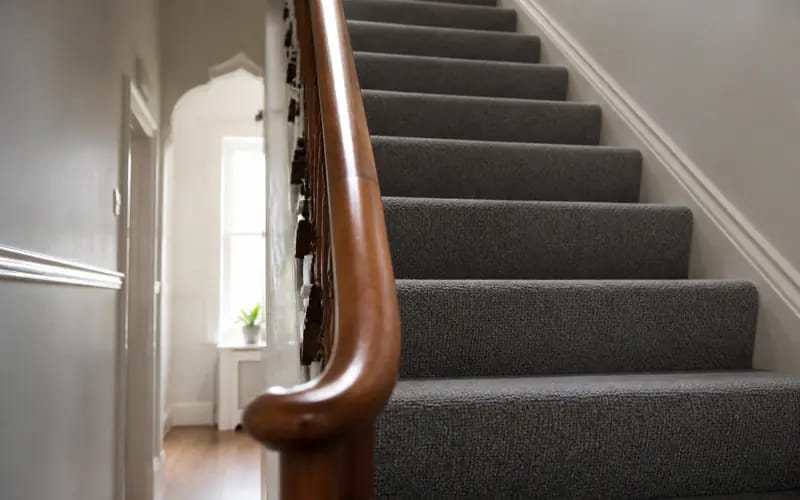
Many people buy carpet by choosing a colour and price. However, the main fibres and the way the carpet is constructed can last for many years in family homes or wear quickly in high use areas.
Wool Carpets And Natural Resilience
The natural crimp in the fibre means that wool carpet is extremely resilient to being trodden on by furniture and people, allowing it to ‘spring’ back into place. It also has excellent resistance to soiling and will look good for years to come. Although it is one of the more expensive floor coverings on the market, wool carpet is a worthwhile investment for a bedroom or living room that is used on a regular basis.
Nylon For Stairs And Hallways
Nylon or polyamide carpet fibres are amongst the toughest on the market. Because of this, nylon is frequently used on stairs, landing and hallways as it can cope with constant turning of feet and scuffing of carpet fibres. It is also very good at withstanding abrasion, meaning that it will wear well and retain its texture under heavy foot traffic. For those based in Edinburgh and looking for carpeting for the heaviest used areas of homes, nylon is definitely worth a look.
Polypropylene For Low Traffic Rooms
Polypropylene or Olefin carpets are very low cost, very stain resistant and perfect for use in low traffic rooms. They are generally recommended for bedrooms, study’s, dining rooms, offices, lounges etc and do not have the same soft feel as other carpets. In high traffic areas they would look worn within 2 years.
Wool-Nylon Blends As A Compromise
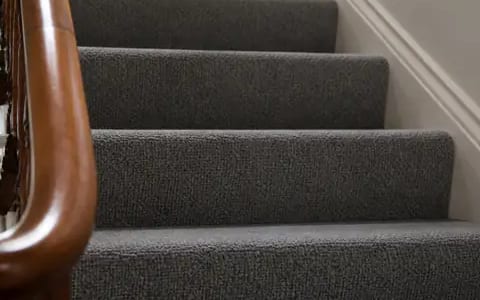
An 80/20 wool-nylon blend can offer all the positive attributes of wool, such as softness and natural recovery, and still offer wear resistance at the tips of the fibres with the inclusion of nylon. This type of carpet is perfect for family use and can offer excellent wear in moderately to heavily used areas of the home. If you want Flooring Edinburgh, https://www.kristoffersencarpets.com/ is a good place to start.
Twist Pile Versus Loop Pile
Twist pile fibres that are tightly twisted together and then heat-set are best for living rooms as they will not flatten and will hide footprints well. Loop pile fibres, such as those used in Berber style carpets, are very hard-wearing but can get snagged easily, especially if you have pets with long claws. Choose the pile type to suit the room not just the fibre type.
Checking Pile Weight In Store
This is usually shown on the label as the pile weight in grams per square meter (e.g. 600g/sqm). Measuring the pile yourself by running your hand through the pile will also give you an idea of how dense it is. Note that this is often backed up by independently tested performance standards for wear and the construction of carpets. In general carpets with a pile weight below 1,000g/sqm are best suited to light usage whereas 1,500g/sqm and above can handle heavier usage by families.
Matching the right fibre with the right pile style and choosing the correct carpet for the room will save you a lot of money and disappointment in the long run.