
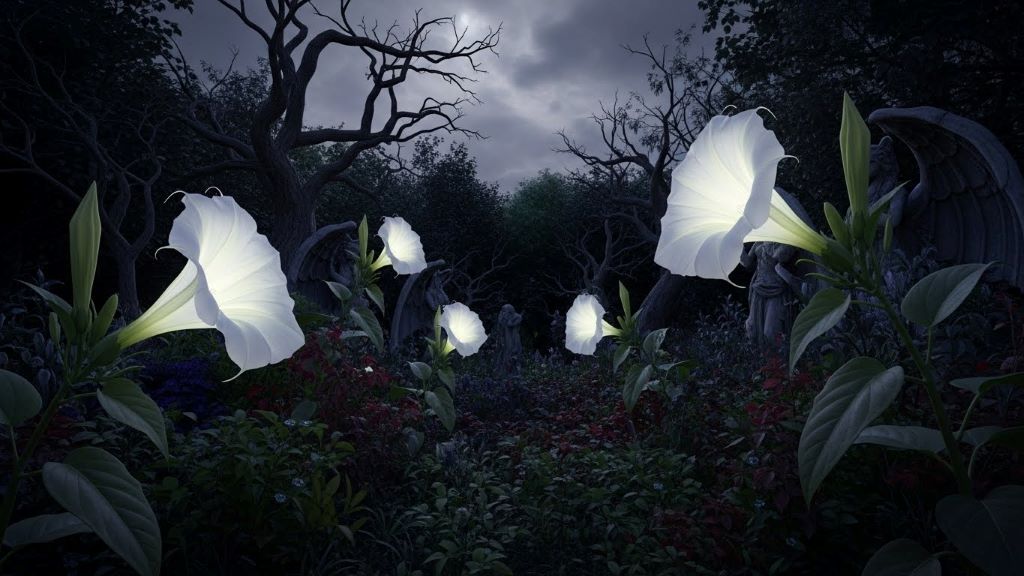
Gothic gardens captivate with their mysterious beauty and dramatic atmosphere. Night-blooming flowers add an enchanting element to these dark, romantic spaces. These nocturnal blooms release intoxicating fragrances and display ghostly white petals under moonlight. Creating a gothic garden filled with night-blooming varieties transforms your outdoor space into a mystical retreat.
Understanding Night-Blooming Flowers
Night-blooming flowers open their petals after sunset. They evolved to attract nocturnal pollinators like moths and bats. Most varieties feature white or pale-colored blooms that reflect moonlight. Additionally, many species produce intense fragrances during evening hours. These characteristics make them perfect companions for gothic garden designs.
The science behind nocturnal blooming is fascinating. Plants have internal clocks that respond to light levels. When darkness falls, certain flowers trigger their opening mechanisms. This adaptation helps them avoid competition with day-blooming plants. Therefore, night bloomers have their own dedicated pollinator network.
Choosing the Right Night-Blooming Varieties
Selecting appropriate plants is crucial for success. Several stunning options thrive in gothic garden settings. Each variety offers unique visual and aromatic qualities.
Moonflowers create spectacular displays with their large, trumpet-shaped blooms. These vigorous vines can cover arbors and trellises quickly. Their pure white flowers glow ethereally in darkness. Moreover, they release a sweet, lemony fragrance that fills the evening air.
Evening primrose provides delicate yellow or white flowers. This hardy perennial requires minimal maintenance. The blooms open rapidly at dusk, creating a magical transformation. However, individual flowers typically last only one night before fading.
Night-blooming jasmine produces small, tubular flowers. The plant itself appears unremarkable during daylight. At night, it releases one of the most powerful fragrances in the plant kingdom. Just a few plants can perfume an entire garden.
Four o’clocks offer vibrant color options beyond traditional white. These tubular flowers come in pink, red, yellow, and magenta. They open in late afternoon and remain displayed until morning. Additionally, different colored blooms sometimes appear on the same plant.
Night phlox features small, star-shaped flowers in white or pink. This low-growing annual works well as ground cover. The honey-almond scent intensifies after sunset. Therefore, planting it along pathways creates a sensory experience.
Designing Your Gothic Garden Layout
Creating the right atmosphere requires thoughtful planning. Gothic gardens emphasize drama, mystery, and romance. Dark foliage plants provide the perfect backdrop for pale night bloomers.
Start by selecting a location with adequate evening visibility. Position seating areas where you can enjoy the nocturnal display. Pathways should wind through the space, creating anticipation. Furthermore, incorporate architectural elements like wrought iron gates or stone statuary.
Layer plants according to height and blooming times. Place taller vines and shrubs toward the back. Mid-height perennials occupy the middle ground. Low-growing varieties edge pathways and borders. This arrangement ensures visual interest at all levels.
Dark-leaved plants enhance the gothic aesthetic. Purple-leafed varieties create stunning contrasts with white flowers. Black mondo grass, dark-leaved heuchera, and burgundy-toned sedums work beautifully. Consequently, the pale blooms appear even more luminous against these shadowy companions.
Soil Preparation and Planting Techniques
Proper soil preparation ensures healthy plant growth. Most night-blooming flowers prefer well-draining soil. Heavy clay requires amendment with organic matter. Sandy soil benefits from compost additions that improve water retention.
Test your soil pH before planting. Many night bloomers prefer slightly acidic to neutral conditions. Adjust pH levels if necessary using lime or sulfur. However, always follow package directions carefully.
Dig planting holes twice as wide as root balls. This encourages roots to spread outward easily. Loosen soil at the bottom of each hole. Mix removed soil with compost before backfilling. Water thoroughly after planting to eliminate air pockets.
Spacing matters significantly for mature plant health. Overcrowding restricts airflow and encourages disease. Follow recommended spacing guidelines for each variety. Additionally, consider the mature size when planning placement.
Watering and Feeding Requirements
Night-blooming flowers need consistent moisture during establishment. Water deeply but infrequently to encourage deep root growth. Early morning watering allows foliage to dry before nightfall. This practice helps prevent fungal diseases.
Established plants generally require less frequent watering. However, container-grown specimens need more attention. Check soil moisture regularly during hot weather. Mulching helps retain moisture and regulate soil temperature.
Fertilization supports vigorous growth and abundant blooms. Apply balanced, slow-release fertilizer in spring. Additional feeding during the growing season promotes continuous flowering. Therefore, follow package recommendations for application rates.
According to The Old Farmer’s Almanac guide to moon gardens, organic fertilizers work exceptionally well for night-blooming varieties. They release nutrients gradually, supporting steady growth without encouraging excessive foliage at the expense of flowers.
Providing Proper Light Conditions
Understanding light requirements is essential for success. Despite blooming at night, these plants still need daytime sunlight. Most varieties require full sun to partial shade. Six hours of daily sunlight typically produces the best results.
Observe your garden’s light patterns throughout the day. Morning sun with afternoon shade works well in hot climates. However, cooler regions may allow for full-day sun exposure. Adjust plant placement according to your specific conditions.
Some night bloomers tolerate more shade than others. Night-blooming jasmine performs well in partial shade. Moonflowers prefer full sun for maximum flowering. Therefore, research individual plant requirements before finalizing placement.

Supporting Climbing Varieties
Many night-blooming flowers grow as vines or climbers. These plants need sturdy support structures. Trellises, arbors, and pergolas serve both functional and decorative purposes.
Install supports before planting climbing varieties. This prevents root disturbance later. Choose materials that complement your gothic garden theme. Wrought iron, weathered wood, or stone pillars work beautifully.
Train vines onto supports as they grow. Gently tie stems using soft plant ties or twine. Avoid constricting growth with tight bindings. Additionally, check ties regularly and adjust as plants expand.
Pest and Disease Management
Night-blooming gardens attract beneficial nocturnal insects. Moths and bats provide natural pollination services. However, some pests may also appear.
Monitor plants regularly for signs of trouble. Aphids, spider mites, and whiteflies sometimes attack night bloomers. Inspect undersides of leaves where pests often hide. Early detection allows for easier control.
Encourage beneficial insects that prey on garden pests. Avoid broad-spectrum pesticides that harm helpful species. Instead, use targeted treatments only when necessary. Furthermore, strong water sprays dislodge many soft-bodied pests.
Fungal diseases sometimes develop in humid conditions. Ensure adequate spacing for air circulation. Remove affected foliage promptly to prevent spread. Water at soil level rather than overhead when possible.
Enhancing the Nocturnal Experience
Lighting choices significantly impact your gothic garden’s atmosphere. Avoid bright, harsh illumination that overwhelms delicate blooms. Instead, use subtle accent lighting strategically.
Solar-powered path lights create gentle illumination. Position them to guide walkways without overwhelming darkness. Uplighting dramatic plants or architectural features adds depth. However, keep light levels low to preserve the mysterious ambiance.
Consider incorporating reflective elements near night bloomers. White or light-colored stones catch and reflect moonlight. Water features create movement and sound that enhance the experience. Therefore, a small fountain or birdbath adds another sensory dimension.
According to Better Homes & Gardens advice on moon gardens, positioning seating areas near fragrant varieties maximizes enjoyment. The combination of visual beauty and intoxicating scents creates an unforgettable experience.
Seasonal Care and Maintenance
Different seasons require varying care approaches. Spring marks the time for planting and fertilizing. Summer demands consistent watering and deadheading. Fall brings preparation for winter dormancy.
Deadhead spent blooms regularly during growing season. This encourages continuous flower production. Remove yellowing or damaged foliage promptly. Additionally, keep the garden tidy to maintain its aesthetic appeal.
Prepare tender varieties for winter in cold climates. Some night bloomers grow as annuals in northern regions. Others require protection or indoor overwintering. Research specific needs for your chosen plants.
Apply fresh mulch in fall to protect roots. This insulates soil and prevents temperature fluctuations. However, avoid piling mulch against plant stems. Leave a small gap to prevent rot.
Extending the Blooming Season
Strategic planning extends your gothic garden’s flowering period. Select varieties with different bloom times. Early-season flowers overlap with mid-season varieties. Late bloomers carry the display into autumn.
Successive planting creates continuous color and fragrance. Sow moonflower seeds at two-week intervals. This staggers bloom times throughout summer. Therefore, you enjoy fresh flowers constantly.
Container gardening offers flexibility for extending seasons. Move potted plants to protected locations during cold snaps. Bring tender specimens indoors before frost. This strategy allows you to enjoy blooms longer.
Conclusion
Growing night-blooming flowers in a gothic garden creates a magical outdoor sanctuary. These mysterious plants transform evening hours into enchanting experiences. Success requires understanding each variety’s specific needs. Proper soil preparation, adequate watering, and strategic placement ensure healthy growth. Additionally, incorporating dark foliage and thoughtful lighting enhances the gothic atmosphere. With careful planning and maintenance, your nocturnal garden will provide years of otherworldly beauty. The combination of luminous blooms and intoxicating fragrances makes every sunset an invitation to explore your garden’s hidden wonders.
Frequently Asked Questions
What are the easiest night-blooming flowers for beginners?
Moonflowers and four o’clocks are the easiest options for novice gardeners. Both varieties tolerate various soil conditions and require minimal maintenance. They grow quickly from seed and produce abundant blooms throughout summer. Additionally, these plants resist most common pests and diseases.
Do night-blooming flowers need special fertilizer?
Night-blooming flowers do not require special fertilizer formulations. Standard balanced fertilizers work well for most varieties. Organic options provide steady nutrient release without encouraging excessive foliage growth. Apply fertilizer according to package directions during the growing season for best results.
Can night-blooming flowers grow in containers?
Many night-blooming varieties thrive in containers. Choose pots with adequate drainage holes and use quality potting mix. Container plants require more frequent watering than ground-planted specimens. Select compact varieties or provide support structures for climbing types.
How do I attract moths to my night-blooming garden?
Night-blooming flowers naturally attract moths through scent and color. Avoid using pesticides that harm beneficial insects. Plant a variety of night bloomers to provide continuous nectar sources. Additionally, leave some areas of your garden slightly wild to provide moth habitat.
Will night-blooming flowers survive winter in cold climates?
Survival depends on specific plant hardiness and your climate zone. Some varieties like evening primrose are perennial in cold regions. Others like moonflowers and night-blooming jasmine are tender tropicals. Check each plant’s hardiness zone rating before selecting varieties for your garden.
Related Topics:
Your Garden Hose: A Comprehensive Care and Storage Guide for Happy Plants and a Long-Lasting Hose