
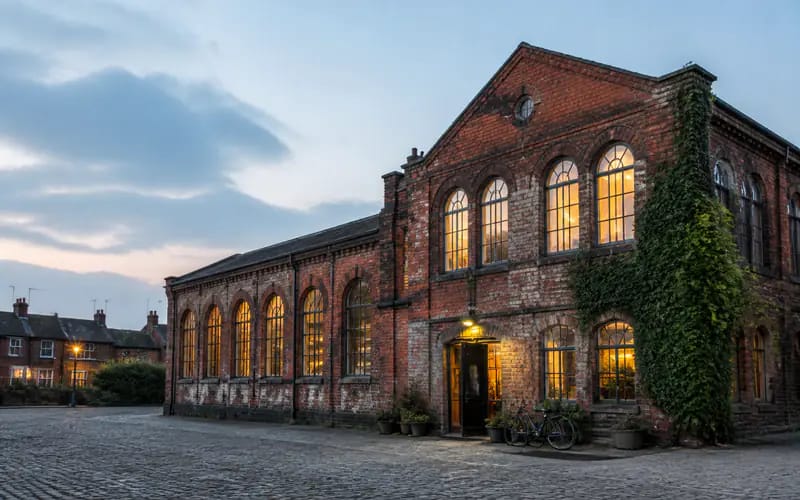
What happens to old, dilapidated buildings? Do they get knocked down so something new can be built or are they repurposed and given a fresh lease of life? A great deal depends on the structural health and whether the shell is safe enough to be used again. There are many fantastic examples of old buildings that have been completely transformed into something new and exciting, breathing new life into an otherwise forgotten and desolate area of a city. Here are just a few of those examples that might inspire you to carry out your own repurposing such as with Loft Conversions Bristol:
Paris – La Recyclerie
What is now a bustling and popular restaurant in Paris was once a railway station. The structure is located opposite former railway tracks which have not been in operation for many years. What makes this eatery even more unique is that it serves vegan and vegetarian dishes from food grown along the former rail tracks. It is down to earth but very popular, offering hearty portions from a fixed menu. Nothing goes to waste here. As well as food being saved, the restaurant also fixes things and provides workshops on repair as well as showing films in the evenings on the old rail tracks.
The Netherlands – Het Arresthuis
Ever fancy a night in the cells? You don’t need to break the law to stay in a prison here in Roermond in the Netherlands. A former prison has been delightfully transformed into a luxury boutique hotel. The original building was constructed in the 1800s and remained a working jail until 2007. Now it boasts minimalist rooms, romantically lit corridors and luxurious guest lounge areas. With fine dining and spa treatments on site, it’s now more about pampering than penalising! Original inmate graffiti still lines the walls.
London – Roundhouse
Having been repurposed multiple times, this 1847 rail engine shed first became a warehouse before being transformed into a concert hall in the 1960s. During its heyday as a music venue, Bowie, Hendrix, the Rolling Stones and Pink Floyd all played here. After closing, it seemed doomed to oblivion until 2006 when it was lovingly restored again into a music venue with amazing acoustics and food. If this is inspiring you to repurpose unused areas of your home, then consider Loft Conversions Bristol. Imagine how another level and additional storage could totally transform the way you live.
Cardiff – The Coal & Shipping Exchange
Constructed in 1888, this building served as the market and office for coal trading. The docks, at this time, were one of the busiest coal trading areas in the world. As many as 10,000 traders would come and go daily during this period. Sadly, the stunning limestone structure with its Renaissance style design fell into disuse and disrepair. Thankfully, with some TLC, it was opened in 2017 as a luxury hotel that still displays the original dragon clock in the main hall.
Matlock Bath – Masson Mills
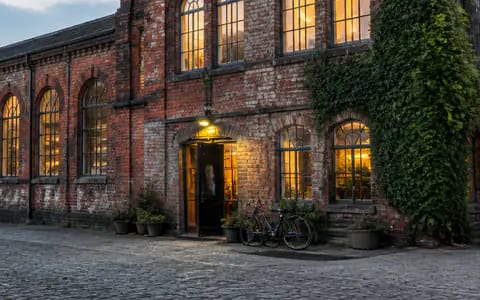
Want shopping, entertainment, food and drink and a museum all under one roof? Masson Mills offers all of this. Sitting on the River Derwent, the site was formerly Arkwright’s Mill, constructed in the 1700s. There is a Grade II listed railway station a short walk away that featured on an Oasis single cover. As well as the plethora of activities available inside the mill, you’ll also discover beautiful nature walks alongside the river.
Berlin – Detlev-Rohwedder-Haus
What was, at one time, the biggest office building in Europe was constructed for the Nazi party. It originally housed the Ministry of Aviation in the 1930s. After the massive destruction caused by the bombing of Berlin, the stark structure survived to later become an important part of the East German communist regime. In keeping with its governmental tradition, it is now home to the German finance ministry. Guided tours are available and a visit is well worth it to see the impressive mosaic flooring laid during the building’s communist era.
Warsaw – Warsaw Uprising Museum
This museum is housed in a former tram power station. Warsaw was devastated by the Second World War but instead of leaving former industrial sites to decay and remain bleak, this particular building was used to tell a story through uplifting exhibits that provide a fresh and upbeat look at the city’s turbulent past with clever usage of light and sound.
Lisbon – LX Factory
In the capital’s Alcantara district, this impressive structure was built in 1864 and provided the base for thread and material manufacture. Today, you’ll find a multitude of restaurants, arty retail stores and a huge bookshop that takes up a considerable part of the former industrial site. It has become a highly popular destination with bars, antiques, sculptures and many concerts and exhibitions. It features original metal staircases and walkways.
Buildings that are no longer needed for their original purpose don’t always need to be pulled down. If they are structurally sound, then repurposing offers a great way to use the unique features of the building’s architectural past to bring new life to an area.